Baoding Fangnuo Rubber Products Manufacturing Co., Ltd.




The Impact of Industrial Rubber Products on Product Performance: A Comprehensive Analysis
Release time:
2026-02-14 15:30
The Impact of Industrial Rubber Products on Product Performance
Table of Contents
- Introduction to Industrial Rubber Products
- Key Properties of Rubber That Enhance Product Performance
- Diverse Applications of Industrial Rubber Products
- How Rubber Products Influence Performance Metrics
- The Sustainability of Industrial Rubber Products
- Recent Advancements in Rubber Technology
- Challenges in the Rubber Industry and Innovative Solutions
- Future Trends in Industrial Rubber Products
- Conclusion
- Frequently Asked Questions
Introduction to Industrial Rubber Products
Industrial rubber products play an essential role in various industries, ranging from automotive to manufacturing, and even in the healthcare sector. These products are not only crucial for the functionality and performance of machines and equipment but also contribute significantly to the overall efficiency and longevity of various systems. Understanding the impact of these products on performance metrics is vital for companies looking to optimize their operations and enhance product quality.
Key Properties of Rubber That Enhance Product Performance
Rubber, as a material, possesses unique properties that make it ideal for industrial applications. The following characteristics are particularly noteworthy:
Elasticity
One of rubber's most prominent features is its elasticity. This property allows rubber products to deform under stress and return to their original shape when the stress is removed, making them ideal for seals, gaskets, and flexible components.
Durability
Industrial rubber products exhibit high levels of durability against wear and tear, chemicals, and extreme temperatures. This durability extends the lifespan of products, reducing the need for frequent replacements.
Resilience
Rubber products can absorb shocks and vibrations, which is essential in automotive applications where parts must withstand high levels of mechanical stress without compromising performance.
Thermal Resistance
Certain rubber compounds are engineered to withstand extreme temperatures, making them suitable for environments where thermal stability is crucial.
Chemical Resistance
Industrial rubber products are often formulated to resist various chemicals, oils, and solvents, ensuring their reliability in harsh environments.
Diverse Applications of Industrial Rubber Products
The versatility of rubber allows it to be utilized in a multitude of applications. Some of the key areas where industrial rubber products make a significant impact include:
Automotive Industry
In the automotive sector, rubber products such as tires, hoses, belts, and seals are vital for vehicle performance and safety. The composition and design of these products influence fuel efficiency, handling, and overall driving experience.
Manufacturing
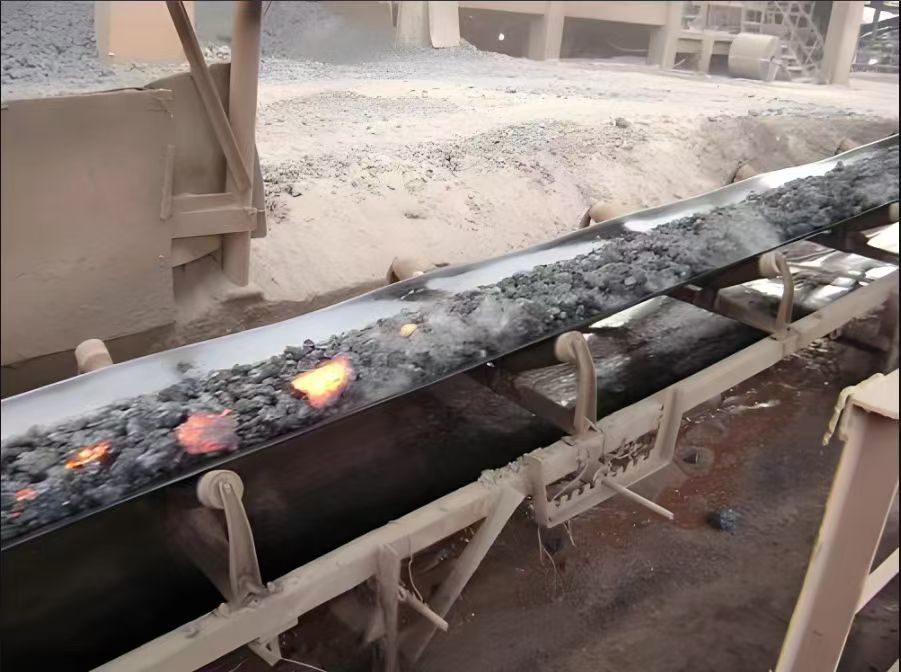
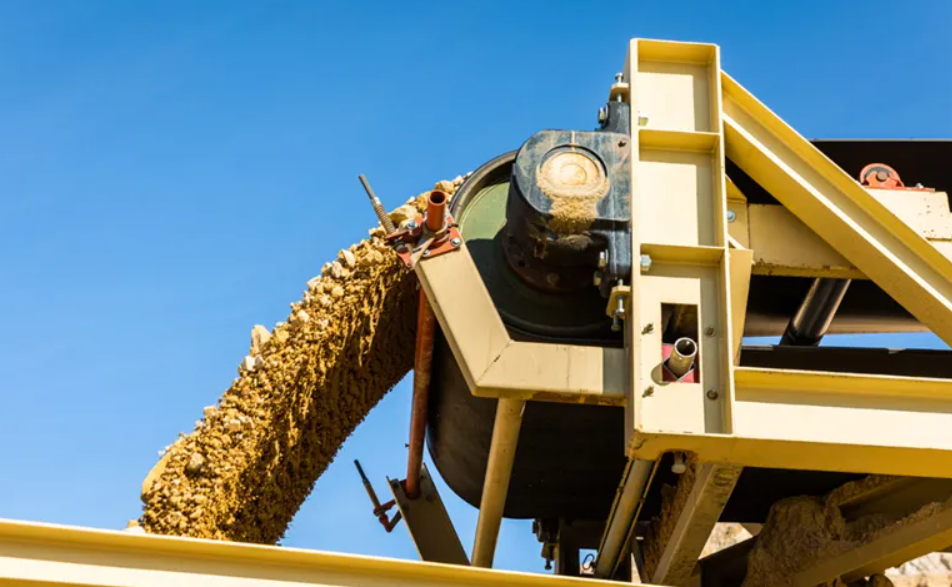
Rubber products are extensively used in manufacturing processes, including conveyor belts, gaskets, and rolls. Their durability and resilience enhance production line efficiency and reduce downtime.
Construction
In construction, rubber materials are employed in roofing, flooring, and insulation applications, providing not only structural integrity but also thermal and acoustic insulation properties.
Medical Devices
Medical applications rely on rubber products for seals, tubing, and protective covers. The material's biocompatibility and ease of sterilization make it indispensable in healthcare.
Aerospace and Defense
In aerospace and defense, high-performance rubber products must meet stringent safety and reliability standards. Their properties are critical for components exposed to extreme conditions.
How Rubber Products Influence Performance Metrics
The performance metrics of industrial rubber products directly affect the functionality of the overall system. Here are some critical areas influenced by rubber:
Efficiency
High-quality rubber components contribute to improved efficiency by reducing friction and wear, leading to lower energy consumption and operational costs.
Safety
The safety of machinery and human operators is paramount. Rubber products, when designed correctly, mitigate risks associated with mechanical failures and accidents.
Longevity
The longevity of rubber products ensures reduced maintenance costs and less frequent replacements, which is beneficial for long-term operational budgets.
Performance Under Stress
Rubber products are engineered to perform under significant stress without compromising their integrity, ensuring consistent performance over time.
The Sustainability of Industrial Rubber Products
As industries move toward sustainable practices, the rubber industry is also evolving. Sustainable sourcing of raw materials, recycling of used rubber products, and development of biodegradable options are becoming increasingly important.
Recycling Initiatives
Many companies are adopting recycling initiatives to minimize waste and utilize recycled rubber in new products. This not only reduces environmental impact but also promotes a circular economy.
Biodegradable Rubber
Innovations in material science are leading to the development of biodegradable rubber products that maintain performance while being environmentally friendly.
Recent Advancements in Rubber Technology
The rubber industry is experiencing rapid advancements in technology, which are enhancing the properties and performance of rubber products.
Smart Rubber Products
Integration of sensors and smart technology into rubber products is revolutionizing their functionality. These "smart" materials can monitor performance and provide real-time data for better decision-making.
Nanotechnology
Nanotechnology is being used to enhance the mechanical properties of rubber, improving its strength, flexibility, and resistance to wear.
Challenges in the Rubber Industry and Innovative Solutions
Despite its advantages, the rubber industry faces several challenges that require innovative solutions.
Supply Chain Issues
Fluctuations in the supply of raw materials can affect production costs. Establishing diversified supply chains and investing in local sourcing can mitigate these risks.
Environmental Concerns
As with many industries, environmental concerns related to rubber production and disposal are significant. Adopting eco-friendly practices and investing in sustainable materials is essential for long-term viability.
Future Trends in Industrial Rubber Products
Looking ahead, the future of industrial rubber products is promising, with a focus on innovation, sustainability, and enhanced performance.
Increased Customization
As industries demand more tailored solutions, the ability to customize rubber products will become a critical factor for manufacturers.
Focus on Sustainability
The shift toward sustainable practices will likely continue, with more companies seeking eco-friendly alternatives and methods to reduce their carbon footprint.
Conclusion
Industrial rubber products are foundational to the performance and efficiency of various sectors. Their unique properties contribute significantly to enhancing product performance, making them indispensable in modern industries. By understanding the impact of these products, companies can make informed decisions to optimize their operations and invest in innovations that further improve performance metrics. The future of industrial rubber products looks bright, with new advancements and a focus on sustainability paving the way for continued growth.
Frequently Asked Questions
What are industrial rubber products?
Industrial rubber products refer to various components made from rubber used in manufacturing, automotive, medical, and construction industries to improve performance and durability.
How does rubber impact product performance?
Rubber enhances product performance by providing elasticity, durability, and resistance to environmental factors, resulting in improved efficiency and longevity of industrial applications.
What industries utilize industrial rubber products?
Industries such as automotive, manufacturing, construction, aerospace, and healthcare extensively use industrial rubber products to optimize their operations.
Are there sustainable options for rubber products?
Yes, the rubber industry is developing sustainable options, including biodegradable rubber and recycling initiatives to reduce environmental impact.
What are the challenges faced by the rubber industry?
Challenges include supply chain issues, environmental concerns, and the need for innovation in materials and processes to keep up with market demands.
industrial rubber products





Product
About Us
We specialize in producing heavy-duty EP nylon conveyor belts, steel cord conveyor belts, corrugated rib conveyor belts, bucket elevator conveyor belts, herringbone conveyor belts, ring conveyor belts, etc. As a Chinese conveyor belt manufacturer, supplier and exporter, we focus on providing customers with high-quality conveyor belts and better services.
Baoding Fangnuo Rubber Products Manufacturing Co., Ltd.
Copyright Baoding Fangnuo Rubber Products Manufacturing Co., Ltd., All rights reserved