Baoding Fangnuo Rubber Products Manufacturing Co., Ltd.




Understanding Wide Conveyor Belts: Applications and Benefits
Release time:
2026-07-19 12:50
Wide conveyor belts play a crucial role in many industrial sectors, from manufacturing to logistics. Unlike standard conveyor belts, which are often narrower and designed for specific tasks, wide conveyor belts provide a larger surface area, allowing for the transport of heavier and bulkier items. This capability makes them particularly valuable in operations that require moving large quantities of materials efficiently and safely.
One of the key advantages of wide conveyor belts is their ability to handle a diverse range of products. Whether you are dealing with pallets, bags, or loose materials, these belts can accommodate larger loads, reducing the need for multiple smaller belts. This not only simplifies the handling process but also minimizes the risk of product damage during transit, which can be a significant concern in many industries.
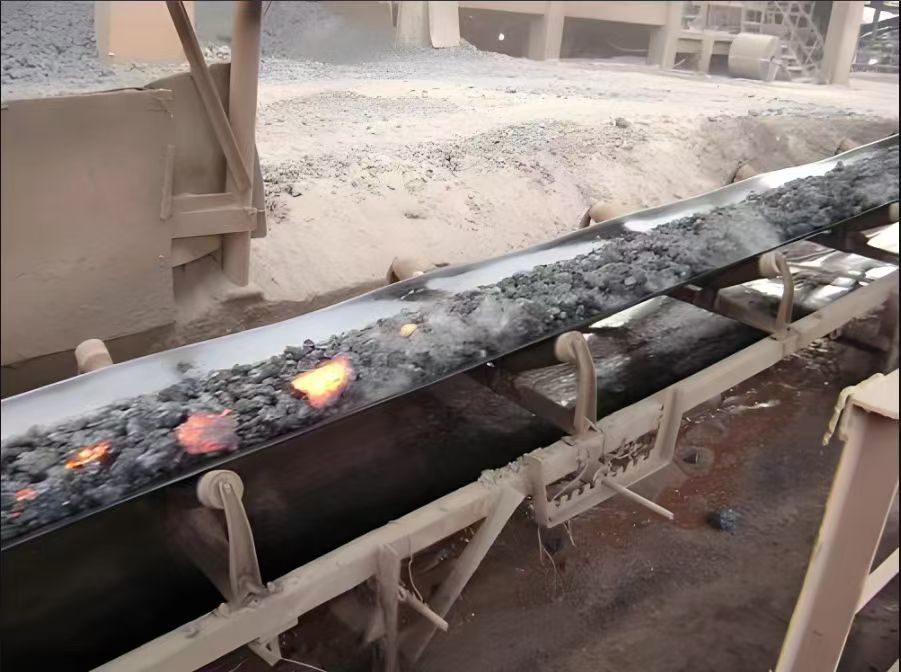
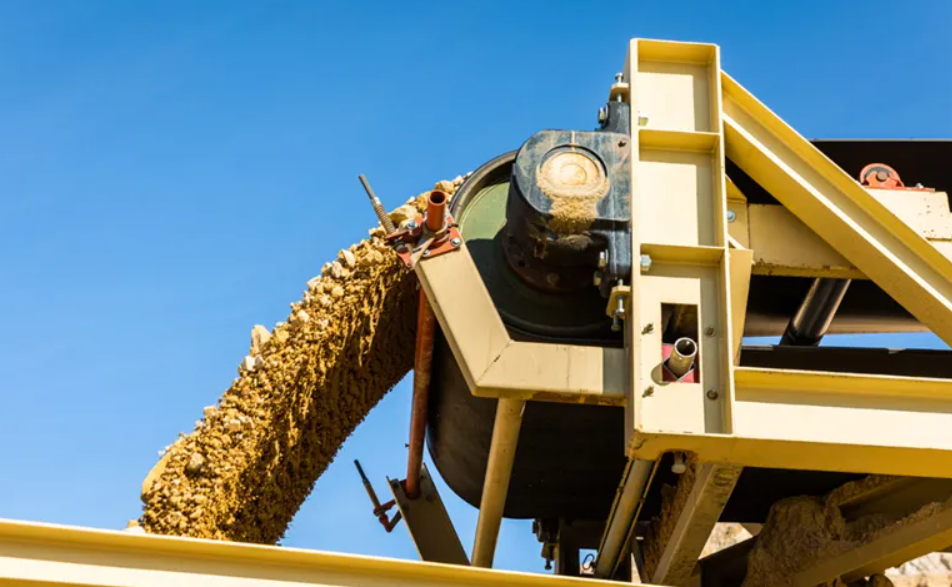
Wide conveyor belts are widely used in sectors such as mining, automotive, food processing, and warehouse operations. In mining, for example, they are employed to transport heavy ores and minerals over long distances. The automotive industry utilizes these belts for moving parts along assembly lines, ensuring efficient production cycles. In food processing, wide conveyor belts are designed to meet stringent hygiene standards while transporting food products safely through various stages of production and packaging.
When selecting a wide conveyor belt, several factors must be considered to ensure optimal performance. Material composition is paramount; belts can be made from rubber, PVC, or fabric, each suited for different applications and environments. The choice of material will impact the belt's durability, flexibility, and resistance to wear and tear. Additionally, the belt's width and thickness should be tailored to the specific load requirements and the nature of the materials being transported.
Another important consideration is the belt's surface texture. Depending on the application, a smooth surface may be appropriate for light items, while a textured surface can provide better grip for heavier loads. This is particularly important in preventing slippage, which can lead to operational inefficiencies and safety hazards.
Finally, regular maintenance of wide conveyor belts is essential to prolong their lifespan and ensure reliable operation. This includes inspecting for wear, checking tension, and keeping the belt clean and free from debris. Implementing a routine maintenance schedule can prevent unexpected breakdowns and costly downtime, enhancing overall productivity.
In conclusion, wide conveyor belts are integral to many industrial operations, providing efficient and reliable solutions for material handling. By understanding their applications, benefits, and maintenance needs, businesses can make informed decisions that enhance their operational efficiency and safety. Whether you are in manufacturing, logistics, or another industry, investing in the right wide conveyor belt can significantly improve your workflow.
One of the key advantages of wide conveyor belts is their ability to handle a diverse range of products. Whether you are dealing with pallets, bags, or loose materials, these belts can accommodate larger loads, reducing the need for multiple smaller belts. This not only simplifies the handling process but also minimizes the risk of product damage during transit, which can be a significant concern in many industries.
Wide conveyor belts are widely used in sectors such as mining, automotive, food processing, and warehouse operations. In mining, for example, they are employed to transport heavy ores and minerals over long distances. The automotive industry utilizes these belts for moving parts along assembly lines, ensuring efficient production cycles. In food processing, wide conveyor belts are designed to meet stringent hygiene standards while transporting food products safely through various stages of production and packaging.
When selecting a wide conveyor belt, several factors must be considered to ensure optimal performance. Material composition is paramount; belts can be made from rubber, PVC, or fabric, each suited for different applications and environments. The choice of material will impact the belt's durability, flexibility, and resistance to wear and tear. Additionally, the belt's width and thickness should be tailored to the specific load requirements and the nature of the materials being transported.
Another important consideration is the belt's surface texture. Depending on the application, a smooth surface may be appropriate for light items, while a textured surface can provide better grip for heavier loads. This is particularly important in preventing slippage, which can lead to operational inefficiencies and safety hazards.
Finally, regular maintenance of wide conveyor belts is essential to prolong their lifespan and ensure reliable operation. This includes inspecting for wear, checking tension, and keeping the belt clean and free from debris. Implementing a routine maintenance schedule can prevent unexpected breakdowns and costly downtime, enhancing overall productivity.
In conclusion, wide conveyor belts are integral to many industrial operations, providing efficient and reliable solutions for material handling. By understanding their applications, benefits, and maintenance needs, businesses can make informed decisions that enhance their operational efficiency and safety. Whether you are in manufacturing, logistics, or another industry, investing in the right wide conveyor belt can significantly improve your workflow.
wide conveyor belt





Product
About Us
We specialize in producing heavy-duty EP nylon conveyor belts, steel cord conveyor belts, corrugated rib conveyor belts, bucket elevator conveyor belts, herringbone conveyor belts, ring conveyor belts, etc. As a Chinese conveyor belt manufacturer, supplier and exporter, we focus on providing customers with high-quality conveyor belts and better services.
Baoding Fangnuo Rubber Products Manufacturing Co., Ltd.
Copyright Baoding Fangnuo Rubber Products Manufacturing Co., Ltd., All rights reserved