Baoding Fangnuo Rubber Products Manufacturing Co., Ltd.




The Benefits of Using Fire Resistant Conveyor Belts in High-Risk Environments
Release time:
2026-08-03 11:30
The Benefits of Using Fire Resistant Conveyor Belts in High-Risk Environments
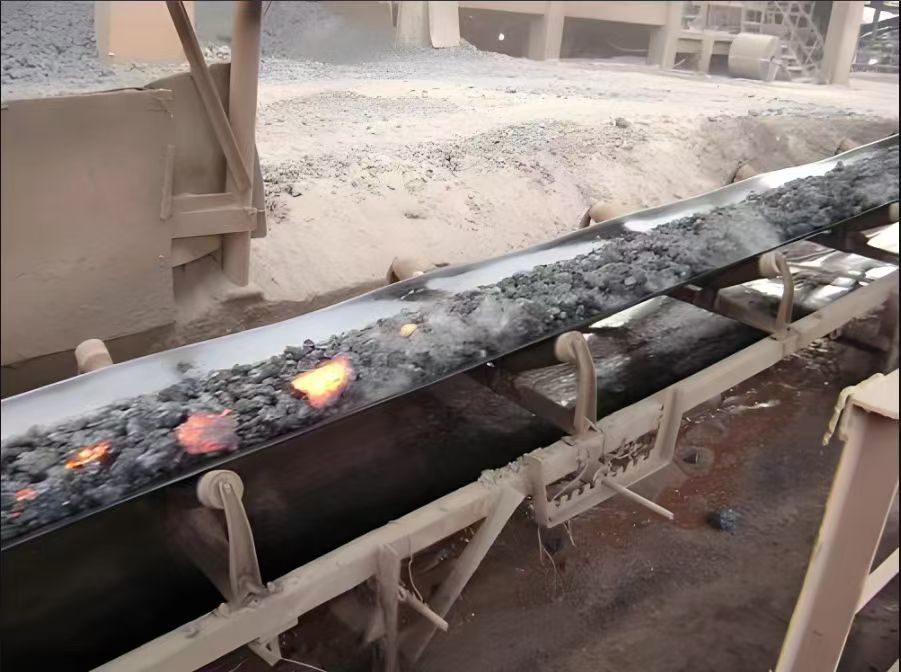
In industries such as mining, manufacturing, and food processing, the risk of fire is a constant threat. The presence of flammable materials, high temperatures, and industrial operations necessitates the need for safety measures. One of the most effective safety upgrades a facility can implement is the use of **fire-resistant conveyor belts**. This article explores the numerous benefits associated with these essential components and why they are crucial for high-risk environments.
Table of Contents
- Understanding Fire Resistant Conveyor Belts
- The Importance of Fire Resistance in Industrial Settings
- Key Benefits of Using Fire Resistant Conveyor Belts
- Enhanced Safety Standards
- Compliance with Regulations and Standards
- Minimizing Downtime and Financial Loss
- Increased Lifespan and Durability
- Choosing the Right Fire Resistant Conveyor Belt
- Maintenance Tips for Fire Resistant Conveyor Belts
- Industries Utilizing Fire Resistant Conveyor Belts
- The Future of Fire Resistant Conveyor Belt Technology
- FAQs About Fire Resistant Conveyor Belts
Understanding Fire Resistant Conveyor Belts
Fire-resistant conveyor belts are specially designed to withstand high temperatures and reduce the risk of ignition when exposed to flames or excessive heat. These belts are constructed from materials that do not readily ignite and often incorporate fire-retardant coatings or treatments. The materials typically used include **synthetic fibers**, **steel cords**, and **polymer-based compounds**. Understanding the composition and functionality of these belts is essential for industries operating in hazardous environments.
The Importance of Fire Resistance in Industrial Settings
The significance of fire resistance cannot be overstated in industrial settings. With the potential for catastrophic fire-related incidents, maintaining a safe working environment is paramount. From protecting employees to safeguarding equipment and minimizing liability, fire resistance in conveyor belts plays a crucial role in overall safety protocols.
1. **Employee Safety**: The primary concern in any industrial operation is the safety of workers. Fire-resistant conveyor belts help protect employees from fire hazards, ensuring a safer workplace.
2. **Asset Protection**: Equipment and machinery are often significant investments for companies. Fire-resistant belts help protect these assets from fire damage, ultimately saving businesses money.
3. **Regulatory Compliance**: Many industries are subject to strict regulations regarding fire safety. Using fire-resistant conveyor belts helps companies comply with these regulations, avoiding fines and legal issues.
Key Benefits of Using Fire Resistant Conveyor Belts
The advantages of incorporating fire-resistant conveyor belts into operations are numerous. Below are several key benefits that underscore the importance of these safety-enhancing components.
Enhanced Safety Standards
One of the most significant benefits of using fire-resistant conveyor belts is the enhancement of overall safety standards within the workplace. By utilizing belts designed to withstand fire hazards, companies demonstrate a commitment to safety that can lead to increased employee morale and retention.
Moreover, these belts are often designed with features such as **self-extinguishing properties**, meaning they can help prevent the spread of fire should an incident occur. This additional layer of protection is invaluable in high-risk environments.
Compliance with Regulations and Standards
Fire safety regulations can be stringent, especially in industries like mining, manufacturing, and food processing. Fire-resistant conveyor belts contribute significantly to meeting these compliance requirements.
By choosing belts that adhere to **national and international fire safety standards**, companies can ensure they are operating within legal guidelines. This proactive approach not only enhances safety but also protects the company from potential liabilities.
Minimizing Downtime and Financial Loss
Fires can lead to significant operational downtime and financial loss. The implementation of fire-resistant conveyor belts can minimize this risk.
In the unfortunate event of a fire, these belts are designed to contain the fire and limit its spread, allowing for quicker responses from safety personnel and reducing the overall impact on operations. This feature is crucial for maintaining productivity and revenue flow, ensuring that businesses can recover swiftly from any incidents.
Increased Lifespan and Durability
Fire-resistant conveyor belts are not only designed to withstand heat but also to endure harsh operational conditions. They are often made from durable materials that provide resistance to wear, abrasion, and chemicals.
This durability translates into a longer lifespan for the conveyor belt, reducing the need for frequent replacements and minimizing maintenance costs. In the long run, investing in fire-resistant conveyor belts can lead to significant savings for a company.
Choosing the Right Fire Resistant Conveyor Belt
Selecting the appropriate fire-resistant conveyor belt requires careful consideration of several factors.
1. **Material Composition**: Different industries may require belts made from specific materials. Understanding the unique needs of your operation is critical.
2. **Temperature Ratings**: Ensure that the belt’s temperature resistance aligns with the operational environment. Some applications may require higher resistance levels than others.
3. **Load Capacity**: Evaluate the load capacity of the conveyor belt to ensure it meets operational demands without compromising safety.
4. **Installation Requirements**: Consider the ease of installation and compatibility with existing systems when selecting a fire-resistant conveyor belt.
5. **Supplier Reliability**: Partner with reputable suppliers who understand industry standards and can provide belts that meet your specific needs.
Maintenance Tips for Fire Resistant Conveyor Belts
To maximize the effectiveness and lifespan of fire-resistant conveyor belts, regular maintenance is essential. Here are some helpful maintenance tips:
1. **Regular Inspections**: Conduct frequent inspections for signs of wear, damage, or deterioration. This proactive approach allows for early detection of potential issues.
2. **Proper Cleaning**: Maintain cleanliness by removing debris and materials that may accumulate on the belt surface. This helps prevent overheating and ensures optimal performance.
3. **Lubrication**: Ensure that moving parts are adequately lubricated to reduce friction and wear. This practice also helps maintain the efficiency of the conveyor system.
4. **Monitor Operating Conditions**: Keep an eye on temperature and humidity levels in the environment, as extreme conditions can affect the performance of the belts.
5. **Training and Awareness**: Train staff on the proper usage and maintenance of fire-resistant conveyor belts to ensure they understand the importance of these safety components.
Industries Utilizing Fire Resistant Conveyor Belts
Fire-resistant conveyor belts find applications across various industries, including:
1. **Mining**: In mining operations, where combustible materials are prevalent, fire-resistant belts are indispensable for transporting minerals safely.
2. **Food Processing**: The food industry often uses heat-resistant belts to transport items through high-temperature environments, ensuring safety and compliance.
3. **Manufacturing**: In manufacturing settings where flammable materials are processed, fire-resistant conveyor belts are essential for preventing fire hazards.
4. **Waste Management**: Waste handling facilities utilize fire-resistant belts to minimize risks when dealing with potentially hazardous materials.
5. **Chemical Industries**: The chemical sector often faces risks related to flammable substances, making fire-resistant conveyor belts a critical safety measure.
The Future of Fire Resistant Conveyor Belt Technology
As technology advances, so does the development of fire-resistant conveyor belts. Innovations may include:
1. **Smart Technologies**: The integration of sensors that monitor temperature and belt integrity, providing real-time data for preventative maintenance.
2. **Sustainable Materials**: The use of eco-friendly materials that offer fire resistance without compromising environmental standards.
3. **Enhanced Coatings**: Improved fire-retardant coatings that increase the effectiveness and lifespan of the belts.
4. **Customization**: Tailored solutions to meet the specific needs of different industries and applications, ensuring optimal performance under various conditions.
FAQs About Fire Resistant Conveyor Belts
1. What makes conveyor belts fire-resistant?
Fire-resistant conveyor belts are made from materials that do not easily ignite and are often treated with fire-retardant coatings to enhance their resistance to flames and high temperatures.
2. How do I know if my conveyor belts are fire-resistant?
You can verify the fire resistance of your conveyor belts by checking the manufacturer's specifications and certifications that comply with industry standards for fire safety.
3. Are fire-resistant conveyor belts more expensive than regular belts?
While fire-resistant conveyor belts may have a higher upfront cost, their durability and safety benefits often lead to long-term savings and reduced risk of costly downtime.
4. How often should fire-resistant conveyor belts be inspected?
It is recommended to inspect fire-resistant conveyor belts at least once a month or more frequently in high-risk environments to ensure they remain in good condition.
5. Can fire-resistant conveyor belts be used in all industries?
While fire-resistant conveyor belts are beneficial in many industries, their use is particularly critical in sectors where fire hazards are prevalent, such as mining, manufacturing, and food processing.
Conclusion
In summary, the implementation of fire-resistant conveyor belts in high-risk environments is not just a safety measure; it’s a critical investment in the protection of employees, equipment, and overall operational integrity. By understanding the key benefits, choosing the right type, and committing to regular maintenance, businesses can significantly reduce the risks associated with fire hazards. As technology continues to advance, the future of fire-resistant conveyor belts looks promising, ensuring ongoing improvements in safety, efficiency, and sustainability in various industrial sectors.
fire resistant conveyor belt





Product
About Us
We specialize in producing heavy-duty EP nylon conveyor belts, steel cord conveyor belts, corrugated rib conveyor belts, bucket elevator conveyor belts, herringbone conveyor belts, ring conveyor belts, etc. As a Chinese conveyor belt manufacturer, supplier and exporter, we focus on providing customers with high-quality conveyor belts and better services.
Baoding Fangnuo Rubber Products Manufacturing Co., Ltd.
Copyright Baoding Fangnuo Rubber Products Manufacturing Co., Ltd., All rights reserved