Baoding Fangnuo Rubber Products Manufacturing Co., Ltd.




How to Customize Your Wide Conveyor Belt for Specific Applications
Release time:
2026-08-23 11:30
How to Customize Your Wide Conveyor Belt for Specific Applications
Table of Contents
1. Understanding Conveyor Belt Basics
2. Importance of Conveyor Belt Customization
3. Key Factors to Consider in Customization
3.1 Material Selection
3.2 Belt Thickness and Width
3.3 Surface Texture and Finish
3.4 Temperature and Environmental Conditions
4. Types of Conveyor Belt Customizations
4.1 Edge Treatments
4.2 Reinforcements and Supports
4.3 Modifications for Specific Loads
5. Steps to Customize Your Wide Conveyor Belt
5.1 Assessing Your Needs
5.2 Collaborating with Manufacturers
5.3 Testing the Customized Design
6. Common Applications for Customized Conveyor Belts
7. Maintenance Considerations for Customized Conveyor Belts
8. FAQs
1. Understanding Conveyor Belt Basics
Conveyor belts are integral components in many industrial processes. They are designed to transport goods efficiently across various environments. The **wide conveyor belt** spans a larger width than standard belts, making it suitable for transporting bulk goods or heavy items. Understanding the mechanics of conveyor belts, including their materials and configurations, sets the foundation for effective customization.
2. Importance of Conveyor Belt Customization
In today's competitive industrial landscape, efficiency is paramount. Customizing your conveyor belt not only optimizes performance but also enhances safety and reduces downtime. Tailoring the belt to meet specific operational demands can lead to significant cost savings and improved productivity.
3. Key Factors to Consider in Customization
Customization is not a one-size-fits-all solution. Several critical factors should guide your decision-making process.
3.1 Material Selection
Choosing the right material for your conveyor belt is crucial. Depending on the industry, certain materials may perform better than others. For example, food-grade belts must be made from materials that meet health and safety standards, while heavy-duty belts might require reinforced fabrics to withstand abrasive materials.
3.2 Belt Thickness and Width
The thickness and width of your conveyor belt greatly influence its load-bearing capacity. A **wide conveyor belt** will typically accommodate larger and heavier loads. However, the specific thickness required can vary based on the weight and type of materials being transported.
3.3 Surface Texture and Finish
The surface texture of the conveyor belt affects friction and grip. Depending on the nature of the items being transported, you may need a smooth surface for delicate products or a textured surface to ensure stability for heavier, bulkier items.
3.4 Temperature and Environmental Conditions
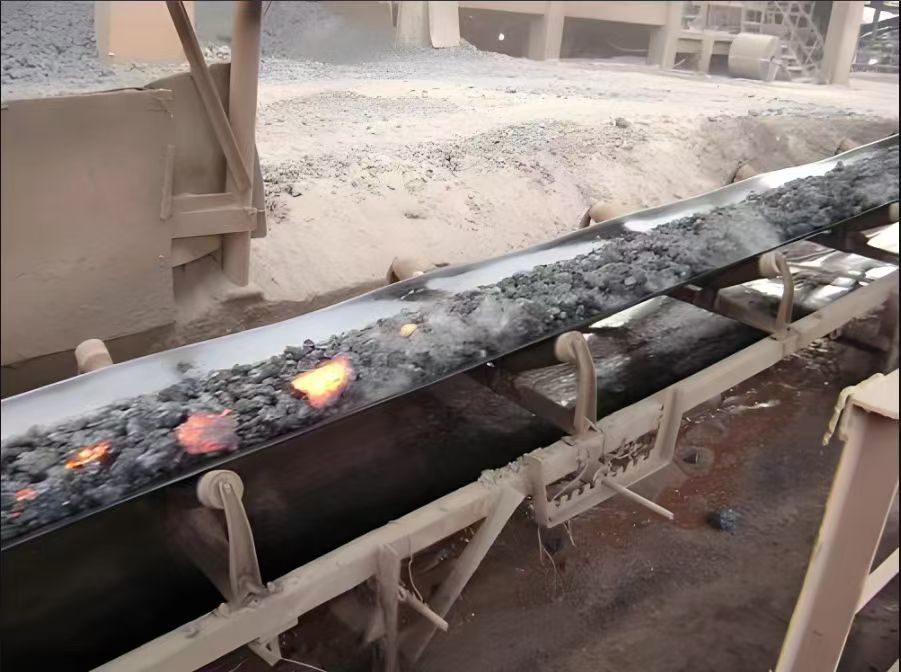
Consider the operating environment when customizing your conveyor belt. High temperatures, moisture, or exposure to chemicals can degrade certain materials. It's essential to select a belt that can withstand the specific conditions of your application.
4. Types of Conveyor Belt Customizations
Understanding the types of modifications available can help you make informed decisions.
4.1 Edge Treatments
Custom edge treatments enhance belt performance and longevity. Options like welded edges or sealed edges prevent fraying and increase durability. Choosing the right edge treatment can also reduce material spillage during transport.
4.2 Reinforcements and Supports
Reinforcements, such as steel cords or additional fabric layers, can drastically increase a belt's strength. This is particularly important for applications involving heavy loads or sharp materials.
4.3 Modifications for Specific Loads
For applications with unique load requirements, customization may involve specific configurations or attachments. This could include added sidewalls for loose materials or cleats for incline transport.
5. Steps to Customize Your Wide Conveyor Belt
The customization process involves several systematic steps to ensure optimal results.
5.1 Assessing Your Needs
Begin with a thorough assessment of your operational needs. Document the types of materials transported, load weights, and environmental conditions. This assessment will form the basis for your customization requirements.
5.2 Collaborating with Manufacturers
Engage with experienced conveyor belt manufacturers to discuss your assessment findings. Their expertise can guide you through material selection, design modifications, and potential enhancements for your specific application.
5.3 Testing the Customized Design
Before full implementation, conduct tests on your customized conveyor belt. Monitor performance under actual working conditions to identify any necessary adjustments.
6. Common Applications for Customized Conveyor Belts
Customized conveyor belts are utilized across various industries. Some common applications include:
- **Manufacturing:** Handling components through assembly lines.
- **Packaging:** Transporting finished goods for packaging and labeling.
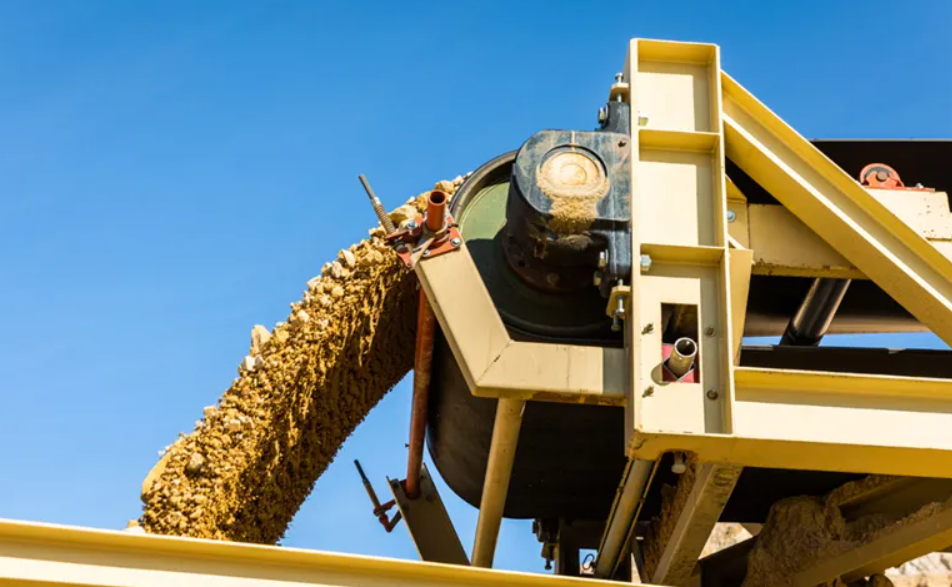
- **Mining and Quarrying:** Moving bulk materials such as stone or ore.
- **Food Processing:** Transporting raw and finished food products, ensuring compliance with sanitary standards.
7. Maintenance Considerations for Customized Conveyor Belts
Regular maintenance is crucial for the longevity of your conveyor belt. This includes:
- **Routine Inspections:** Checking for wear and tear or any misalignment.
- **Cleaning Protocols:** Keeping the belt free from debris that could affect performance.
- **Lubrication of Components:** Ensuring that rollers and pulleys are adequately lubricated to reduce friction.
Implementing a structured maintenance schedule will help you maximize the lifespan of your customized conveyor belt.
8. FAQs
Q1: How do I determine the right material for my conveyor belt?
A: Assess the type of products you will be transporting and consult with a manufacturer about your specific needs, including temperature and environmental conditions.
Q2: What is the typical lead time for customizing a conveyor belt?
A: Lead times can vary but typically range from a few weeks to several months, depending on the complexity of the customization.
Q3: Can I retrofit an existing conveyor belt?
A: Yes, many modifications can be made to existing belts, but it is essential to consult with a professional to ensure compatibility and functionality.
Q4: What are the benefits of using a wide conveyor belt?
A: Wide conveyor belts allow for the transport of larger loads, improving efficiency, reducing the number of belts needed, and minimizing material spillage.
Q5: How do I ensure my customized belt complies with industry standards?
A: Work closely with your manufacturer and verify that the selected materials and designs meet all relevant safety and regulatory standards for your industry.
Conclusion
Customizing your wide conveyor belt is an essential step toward enhancing operational efficiency and meeting specific application needs. By carefully considering factors such as material selection, thickness, surface texture, and environmental conditions, you can create a belt that stands out in performance and reliability. Collaborating with knowledgeable manufacturers and conducting thorough testing will ensure that your customized conveyor belt meets your unique requirements. Ultimately, investing time and resources into this customization process will yield significant returns in productivity, safety, and cost savings for your operations.
wide conveyor belt





Product
About Us
We specialize in producing heavy-duty EP nylon conveyor belts, steel cord conveyor belts, corrugated rib conveyor belts, bucket elevator conveyor belts, herringbone conveyor belts, ring conveyor belts, etc. As a Chinese conveyor belt manufacturer, supplier and exporter, we focus on providing customers with high-quality conveyor belts and better services.
Baoding Fangnuo Rubber Products Manufacturing Co., Ltd.
Copyright Baoding Fangnuo Rubber Products Manufacturing Co., Ltd., All rights reserved