Baoding Fangnuo Rubber Products Manufacturing Co., Ltd.




The Influence of Industrial Rubber Products on Global Trade: A Comprehensive Analysis
Release time:
2026-09-12 12:40
The Influence of Industrial Rubber Products on Global Trade
Introduction to Industrial Rubber Products and Their Importance in Global Trade
Industrial rubber products have become integral to various sectors, significantly influencing global trade dynamics. These products, which encompass an array of items from tires to seals and gaskets, are essential in industries such as automotive, construction, and manufacturing. This article examines the multifaceted impact of industrial rubber products on global trade, shedding light on market trends, economic contributions, and future growth prospects.
Understanding Industrial Rubber Products
What are Industrial Rubber Products?
Industrial rubber products are manufactured from natural and synthetic rubber. They serve critical functions across different industries, offering durability, flexibility, and resistance to various environmental factors. Common examples include:
- Tires for vehicles and machinery
- Hoses and belts in manufacturing processes
- Seals and gaskets for ensuring leak-proof environments
These products are engineered to meet specific performance criteria, making them vital components in many industrial applications.
The Global Market for Industrial Rubber Products
The global market for industrial rubber products has witnessed substantial growth. This expansion can be attributed to several factors, including:
- **Increased Demand in Emerging Economies**: Rapid industrialization in countries like China and India has driven the demand for rubber products.
- **Technological Advancements**: Innovations in manufacturing processes have improved product quality and expanded application areas.
- **Sustainability Trends**: Growing awareness around sustainability is prompting the adoption of eco-friendly rubber materials.
As a result, the global industrial rubber products market is projected to experience robust growth in the coming years.
The Role of Industrial Rubber Products in Key Sectors
Automotive Industry
The automotive sector is one of the largest consumers of industrial rubber products, utilizing them in tires, seals, and vibration dampers. The growth of electric vehicles (EVs) presents new opportunities and challenges for the rubber industry. With the rise of EVs, manufacturers are exploring innovative materials that enhance performance while adhering to environmental standards.
Construction and Infrastructure
In the construction sector, industrial rubber products are used in insulation, flooring, and waterproofing solutions. The demand for resilient construction materials has surged, as developers aim to create sustainable and energy-efficient buildings. Rubber's versatility makes it an ideal choice for various applications in this industry.
Manufacturing and Machinery
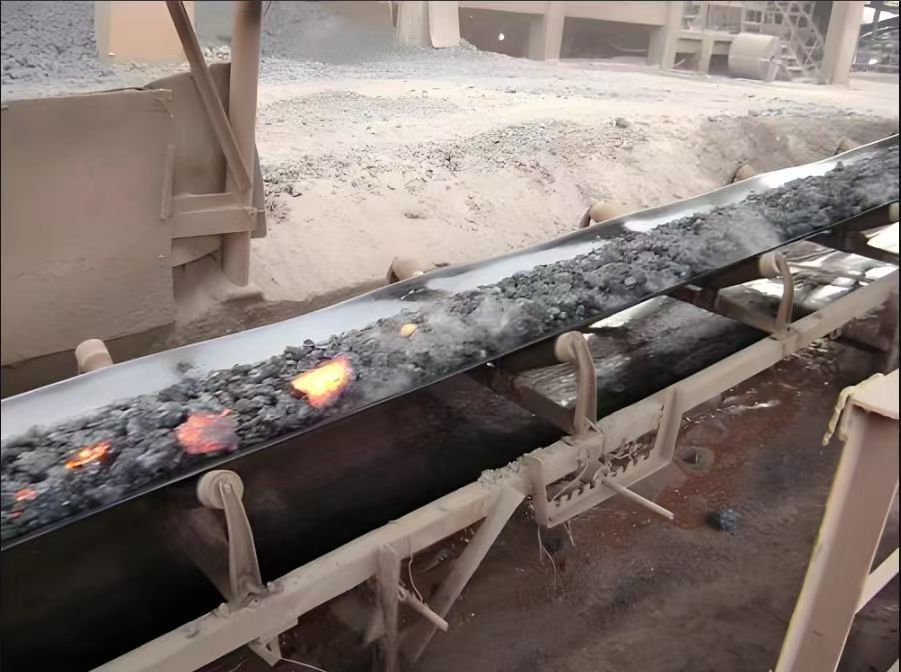
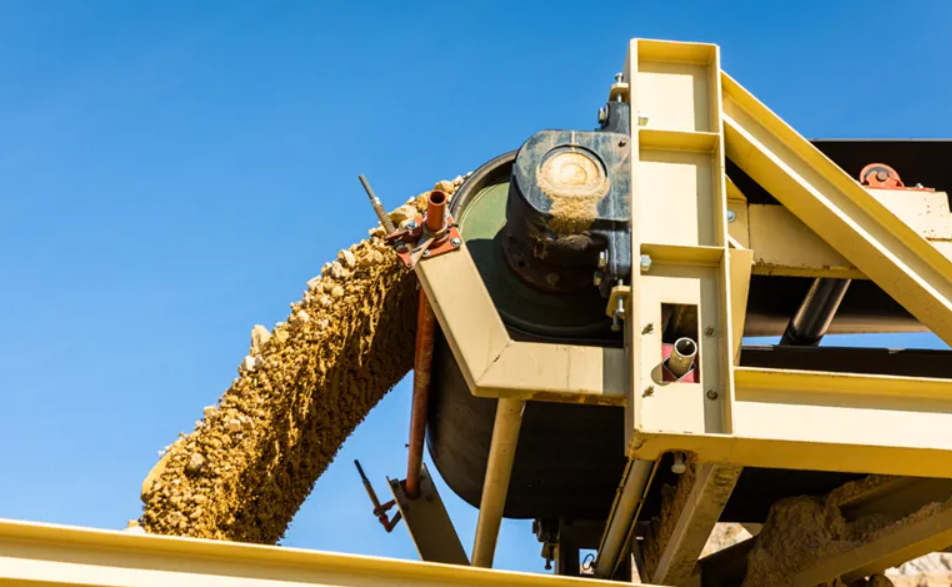
Industrial rubber components play a crucial role in the manufacturing sector, facilitating the smooth operation of machinery. Products such as conveyor belts, hoses, and vibration dampers enhance efficiency and reduce maintenance costs. As automation and Industry 4.0 evolve, the demand for high-performance rubber products is expected to rise.
Economic Impact of Industrial Rubber Products
Contribution to GDP and Employment
The rubber industry significantly contributes to national GDPs, particularly in major producing countries. The sector also creates millions of jobs, ranging from manufacturing to sales and distribution. As industrial rubber products gain prominence, their economic impact is likely to expand, fostering job creation and economic stability.
Trade Balance and Export Opportunities
Countries that excel in rubber product manufacturing often enjoy favorable trade balances. By exporting high-quality industrial rubber products, nations can enhance their economic standing. Emerging markets that invest in rubber manufacturing capabilities may find lucrative export opportunities, further integrating themselves into the global trade network.
Challenges Facing the Industrial Rubber Products Sector
Raw Material Supply and Pricing Volatility
The rubber industry faces challenges related to raw material supply and price fluctuations. Natural rubber, sourced from rubber trees, is subject to climatic conditions, leading to inconsistent supply. Additionally, geopolitical factors can impact the prices of synthetic rubber, affecting production costs and profitability.
Environmental Concerns and Regulations
With growing environmental awareness, the rubber industry must navigate stringent regulations regarding sustainability and waste management. Companies are increasingly under pressure to adopt eco-friendly practices, which may require significant investment in research and development.
Future Trends in the Industrial Rubber Products Market
Innovations in Material Science
Advancements in material science are poised to revolutionize the industrial rubber sector. Biodegradable rubber, enhanced synthetic compounds, and smart rubber materials that respond to environmental changes are some of the innovations on the horizon. These developments could create new market opportunities and address sustainability concerns.
Digital Transformation in Manufacturing
The integration of digital technologies in rubber manufacturing processes is set to enhance efficiency and product quality. Technologies such as AI and IoT can optimize production lines, reduce waste, and improve supply chain management. As the industry embraces digital transformation, it will likely see increased competitiveness on a global scale.
Strategies for Businesses in the Industrial Rubber Sector
Investing in Research and Development
To stay competitive, businesses in the industrial rubber sector should prioritize R&D investments. Developing new products and improving existing ones can help companies meet evolving market demands and regulatory standards.
Focusing on Sustainable Practices
Adopting sustainable practices not only aligns with consumer preferences but also positions businesses favorably in the market. Companies should consider implementing circular economy principles, reducing waste, and sourcing materials responsibly.
Conclusion
Industrial rubber products play a vital role in shaping global trade dynamics. Their applications span multiple sectors, contributing significantly to economic growth and employment. However, challenges such as raw material volatility and environmental regulations demand strategic responses. By embracing innovation and sustainability, businesses can harness the potential of industrial rubber products to thrive in an increasingly competitive market.
FAQs about Industrial Rubber Products and Their Influence on Global Trade
1. What are the primary applications of industrial rubber products?
Industrial rubber products are widely used in automotive, construction, manufacturing, and aerospace industries, serving essential functions such as sealing, insulation, and vibration dampening.
2. How do industrial rubber products contribute to the economy?
They contribute to GDP, create jobs, and enhance trade balances for producing countries, promoting economic stability and growth.
3. What challenges does the rubber industry face in global trade?
Challenges include raw material supply volatility, fluctuating prices, and increasing environmental regulations that require sustainable practices.
4. How is technology impacting the industrial rubber sector?
Technological advancements, including AI and IoT, are improving manufacturing efficiency, product quality, and supply chain management in the rubber industry.
5. What are the future trends in the industrial rubber products market?
Future trends include innovations in material science, such as biodegradable rubber, and a digital transformation of manufacturing processes to enhance competitiveness and sustainability.
industrial rubber products





Product
About Us
We specialize in producing heavy-duty EP nylon conveyor belts, steel cord conveyor belts, corrugated rib conveyor belts, bucket elevator conveyor belts, herringbone conveyor belts, ring conveyor belts, etc. As a Chinese conveyor belt manufacturer, supplier and exporter, we focus on providing customers with high-quality conveyor belts and better services.
Baoding Fangnuo Rubber Products Manufacturing Co., Ltd.
Copyright Baoding Fangnuo Rubber Products Manufacturing Co., Ltd., All rights reserved