Baoding Fangnuo Rubber Products Manufacturing Co., Ltd.




Understanding Grain Conveyor Belts: A Key Component for Efficient Material Handling
Release time:
2026-06-09 09:40
Grain conveyor belts are specialized types of conveyor systems designed to handle the transportation of grain and similar materials within various industrial environments. These belts are essential components in agriculture, food processing, and other sectors where bulk material handling is required. Understanding their features, types, and maintenance can help improve operational efficiency and reduce downtime.
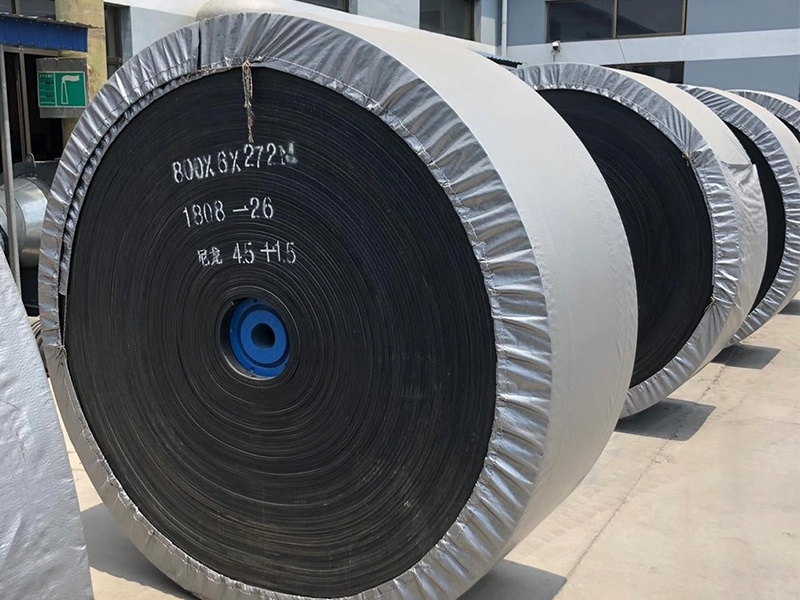
One of the main advantages of grain conveyor belts is their ability to facilitate the smooth transfer of materials across significant distances. By utilizing different types of materials—such as rubber, PVC, or fabric—these belts can be tailored to meet specific industry requirements. This adaptability makes them suitable for various grain types, including wheat, corn, and barley, ensuring they perform optimally in diverse conditions.
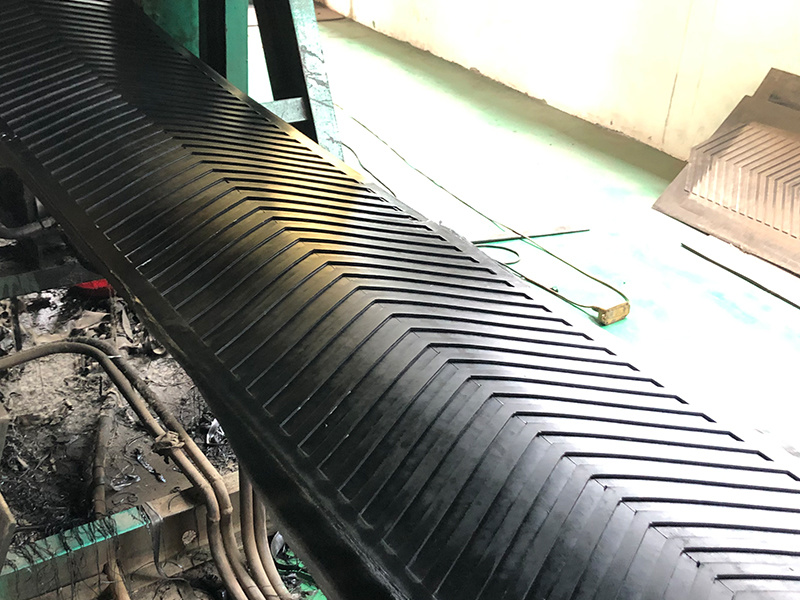
When selecting a grain conveyor belt, there are several types to consider. The most common are flat belts, modular belts, and belt conveyors equipped with cleats or sidewalls for increased material retention. Flat belts are versatile and suitable for most applications, while modular belts offer greater flexibility and easier maintenance due to their interlocking design. On the other hand, cleated belts are ideal for steep inclines or when transporting loose materials, as they help prevent spillage.
In addition to understanding the types of grain conveyor belts, it's crucial to recognize the role of proper maintenance in ensuring their longevity and effectiveness. Regular inspections should be conducted to check for wear and tear, misalignment, or damage. Keeping the belts clean and free from debris is essential, as this can drastically affect their performance and lifespan. Lubricating the moving parts and adjusting the tension periodically can also help maintain optimal functionality.
Moreover, it's vital to consider the installation process of grain conveyor belts. Proper installation ensures that the system runs efficiently and reduces the risk of breakdowns. When installing, operators should follow the manufacturer’s guidelines and consult with experienced professionals to ensure that the setup meets safety and operational standards.
In summary, grain conveyor belts are indispensable in the handling of bulk materials within numerous industrial applications. By understanding their types, maintenance requirements, and installation best practices, businesses can significantly enhance their material handling processes. Investing in high-quality conveyor systems and committing to regular upkeep will not only improve efficiency but also contribute to the overall success of grain handling operations.
One of the main advantages of grain conveyor belts is their ability to facilitate the smooth transfer of materials across significant distances. By utilizing different types of materials—such as rubber, PVC, or fabric—these belts can be tailored to meet specific industry requirements. This adaptability makes them suitable for various grain types, including wheat, corn, and barley, ensuring they perform optimally in diverse conditions.
When selecting a grain conveyor belt, there are several types to consider. The most common are flat belts, modular belts, and belt conveyors equipped with cleats or sidewalls for increased material retention. Flat belts are versatile and suitable for most applications, while modular belts offer greater flexibility and easier maintenance due to their interlocking design. On the other hand, cleated belts are ideal for steep inclines or when transporting loose materials, as they help prevent spillage.
In addition to understanding the types of grain conveyor belts, it's crucial to recognize the role of proper maintenance in ensuring their longevity and effectiveness. Regular inspections should be conducted to check for wear and tear, misalignment, or damage. Keeping the belts clean and free from debris is essential, as this can drastically affect their performance and lifespan. Lubricating the moving parts and adjusting the tension periodically can also help maintain optimal functionality.
Moreover, it's vital to consider the installation process of grain conveyor belts. Proper installation ensures that the system runs efficiently and reduces the risk of breakdowns. When installing, operators should follow the manufacturer’s guidelines and consult with experienced professionals to ensure that the setup meets safety and operational standards.
In summary, grain conveyor belts are indispensable in the handling of bulk materials within numerous industrial applications. By understanding their types, maintenance requirements, and installation best practices, businesses can significantly enhance their material handling processes. Investing in high-quality conveyor systems and committing to regular upkeep will not only improve efficiency but also contribute to the overall success of grain handling operations.
grain conveyor belt
Previous:
Previous:




Product
About Us
We specialize in producing heavy-duty EP nylon conveyor belts, steel cord conveyor belts, corrugated rib conveyor belts, bucket elevator conveyor belts, herringbone conveyor belts, ring conveyor belts, etc. As a Chinese conveyor belt manufacturer, supplier and exporter, we focus on providing customers with high-quality conveyor belts and better services.
Baoding Fangnuo Rubber Products Manufacturing Co., Ltd.
Copyright Baoding Fangnuo Rubber Products Manufacturing Co., Ltd., All rights reserved