Baoding Fangnuo Rubber Products Manufacturing Co., Ltd.




Understanding Bucket Elevators: A Key Component in Material Handling Solutions
Release time:
2025-09-22 11:20
Bucket elevators are crucial in various industries for efficiently transporting bulk materials vertically. These mechanical devices utilize a series of buckets attached to a belt or chain to lift materials from one point to another, often from a lower to a higher elevation. Understanding the functionality and advantages of bucket elevators can significantly benefit professionals involved in material handling or industrial equipment design.
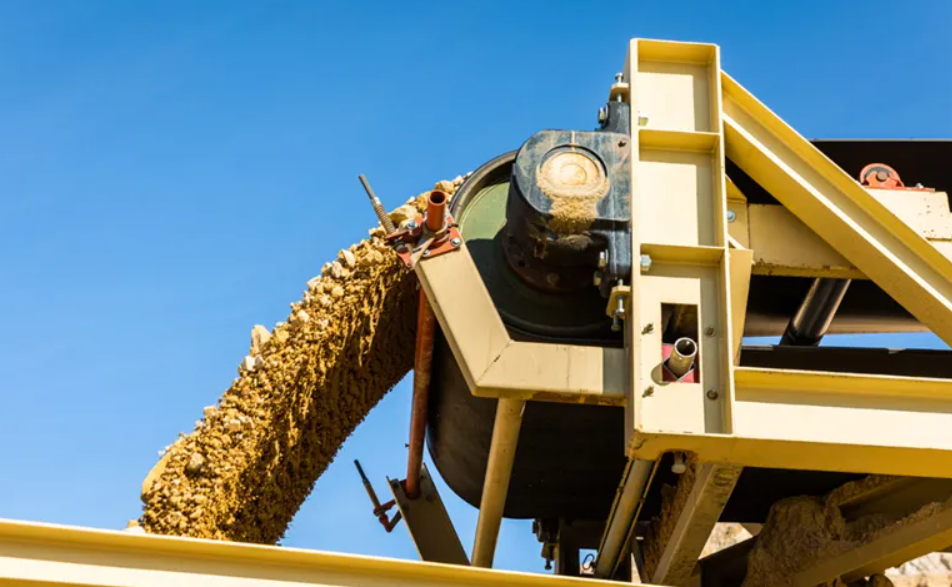
The primary components of a bucket elevator include buckets, a drive unit, a belt or chain, and a casing. The buckets are designed to scoop material from the feed point, and as the belt or chain moves, they carry the material upward. Once the buckets reach the top, the material is discharged into a chute or another container. This efficient design minimizes spillage and enhances the reliability of the material handling process.
One of the significant benefits of bucket elevators is their ability to handle a diverse range of materials. From grains and fertilizers to aggregates and powders, these elevators can accommodate various bulk materials, making them versatile for different industries. Furthermore, they are designed to operate in various environments, including extreme temperatures and conditions, showcasing their durability and adaptability.
Another noteworthy advantage of bucket elevators is their space-efficient design. Unlike traditional conveyors, which require extensive horizontal space for operation, bucket elevators require a smaller footprint, allowing for vertical material transport. This can be especially beneficial in facilities with limited floor space, enabling better utilization of resources.
When selecting a bucket elevator, it’s essential to consider several factors, including the type of material being handled, the required lifting capacity, and the desired height of transport. Additionally, evaluating the elevator’s speed and configuration will help ensure optimal performance and efficiency tailored to your specific needs.
Maintenance is also a critical aspect of bucket elevator operation. Regular inspections and timely repairs can prevent unexpected downtime and prolong the lifespan of the equipment. Understanding the maintenance requirements and ensuring that operators are trained adequately will contribute to the overall efficiency and reliability of the system.
In conclusion, bucket elevators are a vital component in the industrial equipment and material handling sectors. Their ability to transport bulk materials efficiently and their space-saving design make them an invaluable asset for many businesses. By understanding their functionality, advantages, and maintenance needs, professionals can ensure that they leverage these machines to enhance productivity and operational success.
bucket elevator





Product
About Us
We specialize in producing heavy-duty EP nylon conveyor belts, steel cord conveyor belts, corrugated rib conveyor belts, bucket elevator conveyor belts, herringbone conveyor belts, ring conveyor belts, etc. As a Chinese conveyor belt manufacturer, supplier and exporter, we focus on providing customers with high-quality conveyor belts and better services.
Baoding Fangnuo Rubber Products Manufacturing Co., Ltd.
Copyright Baoding Fangnuo Rubber Products Manufacturing Co., Ltd., All rights reserved