Baoding Fangnuo Rubber Products Manufacturing Co., Ltd.




Streamlining Production Processes with Heavy Duty Conveyor Belts: Maximizing Efficiency and Performance
Release time:
2025-09-27 12:30
Streamlining Production Processes with Heavy Duty Conveyor Belts
Table of Contents
- Introduction to Heavy Duty Conveyor Belts
- Key Benefits of Heavy Duty Conveyor Belts
- Types of Heavy Duty Conveyor Belts
- Applications of Heavy Duty Conveyor Belts in Various Industries
- Design and Construction Features of Heavy Duty Conveyor Belts
- Maintenance Practices for Heavy Duty Conveyor Belts
- Case Studies: Successful Implementation of Conveyor Belts
- Future Trends in Conveyor Belt Technology
- Conclusion
- Frequently Asked Questions about Heavy Duty Conveyor Belts
Introduction to Heavy Duty Conveyor Belts
In today’s fast-paced industrial environment, the need for efficiency and reliability is paramount. **Heavy duty conveyor belts** are key components that significantly enhance production processes across various sectors. Designed to withstand rigorous conditions and heavy loads, these belts facilitate the smooth transportation of materials, reducing manual labor and streamlining workflows.
With the right conveyor system in place, businesses can optimize their production lines, minimize delays, and improve overall operational efficiency. This comprehensive guide delves into the critical aspects of heavy-duty conveyor belts, including their benefits, types, applications, and best practices for maintenance.
Key Benefits of Heavy Duty Conveyor Belts
Heavy-duty conveyor belts offer numerous advantages that contribute to enhanced productivity and safety in production environments. Here are some key benefits:
1. Increased Efficiency
Heavy-duty conveyor belts enable the rapid movement of materials between different stages of production. This reduces handling time, allowing workers to focus on more complex tasks. As a result, businesses can achieve higher throughput and meet demanding production schedules.
2. Enhanced Safety
Manual handling of heavy materials poses significant safety risks. By utilizing heavy-duty conveyor belts, companies can minimize the risk of workplace injuries associated with lifting and transporting heavy items. This not only protects employees but also reduces costs related to worker compensation and liability.
3. Versatility
Heavy-duty conveyor belts are adaptable to various materials and industries. Whether it's heavy machinery parts, packaged goods, or raw materials, these conveyor systems can be tailored to meet specific operational needs. This versatility makes them an essential component across a wide range of sectors, including manufacturing, logistics, and food processing.
4. Cost-Effectiveness
Investing in heavy-duty conveyor belts can lead to significant cost savings over time. With improved efficiency and reduced labor costs, businesses often experience a return on investment that justifies the initial expenditure. Additionally, these conveyor systems can decrease the likelihood of product damage, further enhancing profitability.
5. Durability and Reliability
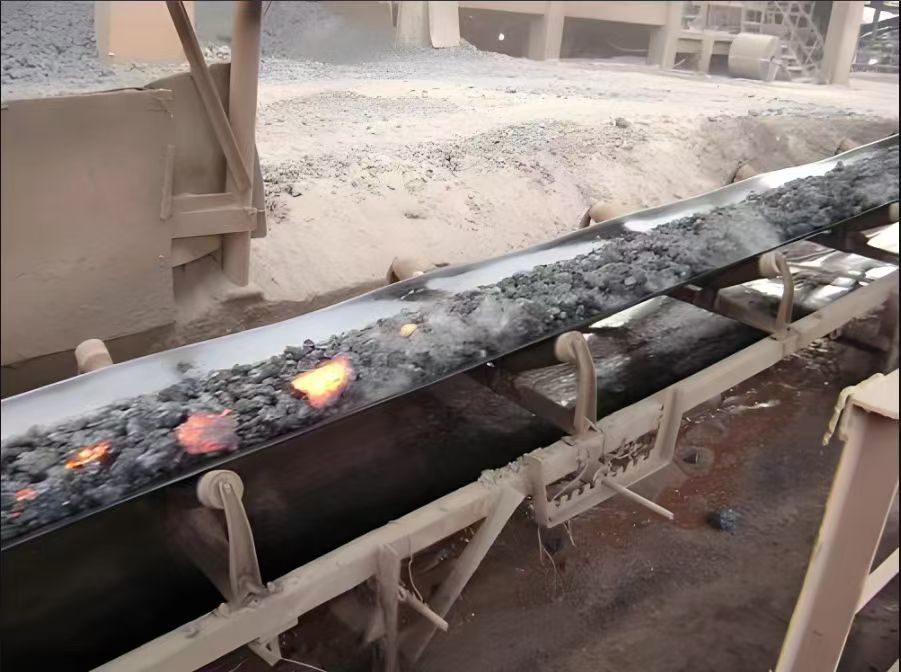
Heavy-duty conveyor belts are engineered to endure harsh conditions, including extreme temperatures, abrasive materials, and heavy loads. This durability translates to longer service life and minimal maintenance requirements, ensuring that production processes remain uninterrupted.
Types of Heavy Duty Conveyor Belts
Understanding the various types of heavy-duty conveyor belts is crucial for selecting the right system for your operational needs. Below are some of the most common types:
1. Flat Belts
Flat belts are one of the most popular types of conveyor belts. They are versatile and can be used in a wide range of applications. These belts are typically made from rubber or fabric and are suitable for transporting light to medium-weight materials.
2. Modular Belts
Modular belts are constructed from interlocking plastic modules, making them highly adaptable. They are ideal for applications requiring specific configurations, such as curves or inclines, while facilitating easy cleaning and maintenance.
3. Steel Cord Belts
For heavy-duty applications, steel cord belts provide exceptional strength and durability. Reinforced with steel cables, these belts excel in transporting extremely heavy loads over long distances. They are commonly used in mining, quarrying, and heavy manufacturing.
4. Rubber Belts
Rubber conveyor belts are known for their excellent grip and flexibility. They are ideal for transporting bulk materials like coal, ores, and grains. Their resistance to wear and tear makes them a popular choice in heavy-duty applications.
5. Fabric Belts
Fabric belts are suitable for lighter loads and were primarily used in food processing and packaging industries. These belts offer flexibility and are easy to repair, making them a cost-effective choice for many applications.
Applications of Heavy Duty Conveyor Belts in Various Industries
Heavy-duty conveyor belts are widely utilized across diverse industries. Here are some notable applications:
1. Manufacturing
In manufacturing, conveyor belts are used for assembly lines, transporting components from one workstation to another. This organized flow of materials enhances productivity and reduces the risk of bottlenecks.
2. Mining and Quarrying
Heavy-duty conveyor belts are essential in the mining industry for transporting mined materials and aggregates. Their strength and durability enable them to handle the harsh environments typical of these operations.
3. Food Processing
In the food industry, conveyor belts are used for transporting raw materials, processing items, and packaging products. Hygiene and compliance with safety regulations are paramount in this sector, making the selection of the right conveyor belt crucial.
4. Warehousing and Logistics
In warehouses and logistics operations, conveyor belts streamline the sorting and distribution of goods. They facilitate the efficient movement of products, thus optimizing storage capacities and enhancing order fulfillment processes.
5. Construction
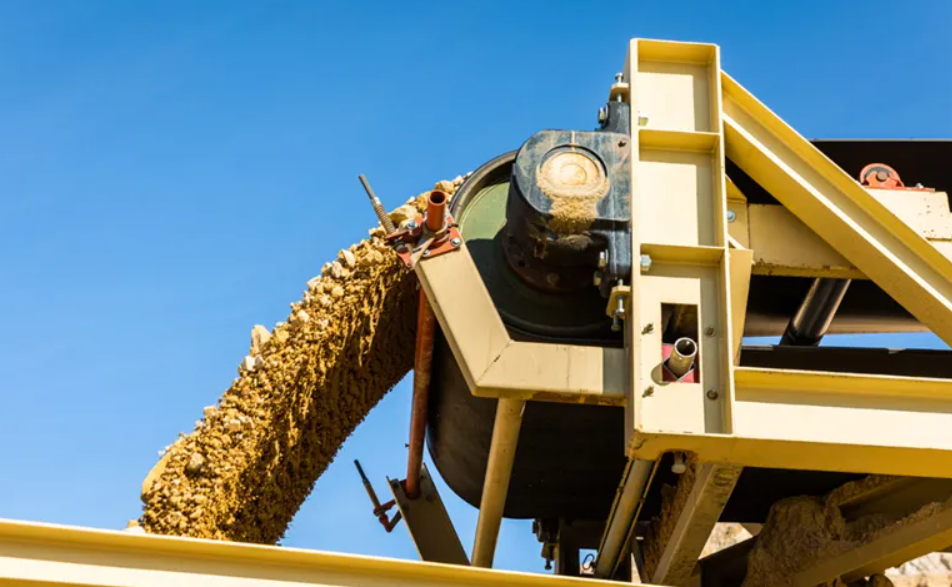
In construction, conveyor belts are used to transport heavy materials like concrete, sand, and gravel across various job sites. Their adaptability to different terrains makes them invaluable for efficient material handling.
Design and Construction Features of Heavy Duty Conveyor Belts
When it comes to heavy-duty conveyor belts, understanding their design and construction features is key to ensuring optimal performance. Here are essential elements to consider:
1. Material Composition
The materials used in the construction of heavy-duty conveyor belts significantly impact their performance. Rubber, polyurethane, and metal are common materials, each offering unique durability and resistance properties.
2. Belt Width and Thickness
The width and thickness of the conveyor belt determine its load-carrying capacity. It is essential to choose a belt that meets the specific weight requirements of the materials being transported.
3. Surface Texture
The surface texture of a conveyor belt affects its grip and material handling capabilities. Belts may feature smooth, rough, or cleated surfaces, depending on the application requirements.
4. Reinforcement
Reinforcements, such as steel cords or fabric layers, enhance the strength and durability of the conveyor belt. This feature is particularly important for heavy-duty applications that involve substantial loads.
5. Customization Options
Many manufacturers offer customization options for conveyor belts, allowing businesses to tailor their systems to specific operational needs. This can include adjustments to size, material, and surface texture.
Maintenance Practices for Heavy Duty Conveyor Belts
Proper maintenance is vital for ensuring the longevity and efficiency of heavy-duty conveyor belts. Here are critical maintenance practices:
1. Regular Inspections
Conducting routine inspections helps identify potential issues before they escalate. This includes checking for signs of wear, misalignment, or damage to the belt and associated components.
2. Proper Cleaning
Maintaining a clean conveyor belt is essential for preventing contamination and extending its lifespan. Regular cleaning schedules should be established, especially in food processing applications.
3. Tension Adjustment
Proper tensioning ensures that the conveyor belt operates smoothly without slipping or stretching. Regular adjustments should be made based on usage and environmental conditions.
4. Lubrication
Lubricating moving parts, such as rollers and bearings, is crucial for reducing friction and wear. This practice enhances the overall efficiency of the conveyor system.
5. Training for Operators
Ensuring that operators are trained in the proper use and maintenance of conveyor belts is essential. This knowledge can prevent common operational errors and extend the life of the equipment.
Case Studies: Successful Implementation of Conveyor Belts
Examining real-world case studies can provide valuable insights into the effectiveness of heavy-duty conveyor belts across various industries. Here are two notable examples:
1. Automotive Manufacturing
A leading automotive manufacturer implemented heavy-duty conveyor belts to streamline the assembly process. By automating the material transport system, the company reduced production time by 25% and minimized labor costs significantly.
2. Food Processing Facility
A major food processing facility upgraded its conventional transport systems to heavy-duty modular belts. This transition not only improved the efficiency of the processing line but also enhanced hygiene and compliance with food safety regulations.
Future Trends in Conveyor Belt Technology
As industries continue to evolve, so does conveyor belt technology. Here are some emerging trends that will shape the future of heavy-duty conveyor belts:
1. Smart Conveyor Systems
The integration of IoT technology into conveyor systems allows for real-time monitoring, predictive maintenance, and data analysis. This advancement will enable businesses to optimize their production processes more effectively.
2. Eco-Friendly Materials
With a growing focus on sustainability, the use of eco-friendly materials in conveyor belt production is on the rise. Manufacturers are exploring biodegradable options that minimize environmental impact.
3. Automation and Robotics
The rise of automation and robotics in industrial environments is driving the need for more advanced conveyor systems. These systems will need to be adaptable and intelligent to work seamlessly with automated processes.
4. Enhanced Safety Features
As safety regulations continue to tighten, the development of conveyor belts with built-in safety features will become increasingly important. This may include emergency stop systems and advanced monitoring technologies.
Conclusion
In conclusion, **heavy-duty conveyor belts** play a vital role in streamlining production processes across various industries. Their ability to increase efficiency, enhance safety, and provide cost-effective solutions makes them indispensable in today’s industrial landscape. By investing in the right conveyor systems and implementing best practices for maintenance, businesses can significantly improve their operational performance.
As technology advances, keeping abreast of new developments in conveyor belt systems will further enhance productivity and sustainability. Embracing these innovations will help businesses remain competitive and meet the evolving demands of their industries.
Frequently Asked Questions about Heavy Duty Conveyor Belts
1. What are heavy-duty conveyor belts used for?
Heavy-duty conveyor belts are utilized for transporting heavy materials across various industries, including manufacturing, mining, and food processing.
2. How do I choose the right conveyor belt for my application?
Selecting the right conveyor belt involves considering factors such as load capacity, material composition, and the specific requirements of your application.
3. What maintenance is required for heavy-duty conveyor belts?
Regular inspections, cleaning, tension adjustments, lubrication, and operator training are essential maintenance practices for heavy-duty conveyor belts.
4. How can heavy-duty conveyor belts improve workplace safety?
By minimizing manual handling of heavy materials, heavy-duty conveyor belts reduce the risk of workplace injuries and enhance overall safety.
5. What trends are shaping the future of conveyor belt technology?
Emerging trends include smart conveyor systems, the use of eco-friendly materials, automation integration, and enhanced safety features.
heavy duty conveyor belt





Product
About Us
We specialize in producing heavy-duty EP nylon conveyor belts, steel cord conveyor belts, corrugated rib conveyor belts, bucket elevator conveyor belts, herringbone conveyor belts, ring conveyor belts, etc. As a Chinese conveyor belt manufacturer, supplier and exporter, we focus on providing customers with high-quality conveyor belts and better services.
Baoding Fangnuo Rubber Products Manufacturing Co., Ltd.
Copyright Baoding Fangnuo Rubber Products Manufacturing Co., Ltd., All rights reserved