Baoding Fangnuo Rubber Products Manufacturing Co., Ltd.




The Essential Guide to Industrial Conveyors: Enhancing Efficiency in Manufacturing
Release time:
2025-10-22 10:40
Industrial conveyors are vital components in the manufacturing and material handling sectors, designed to transport goods efficiently from one point to another within a facility. These systems play a crucial role in enhancing productivity, reducing manual labor, and ensuring consistent workflow in various industries, including automotive, food processing, packaging, and pharmaceuticals. Understanding the key features and applications of industrial conveyors can help professionals optimize their operations.
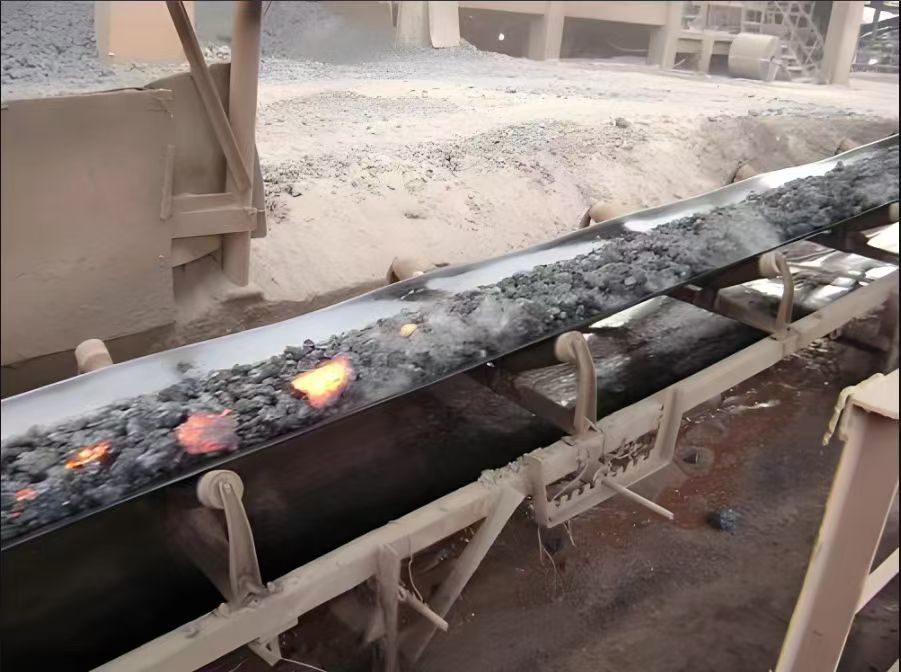
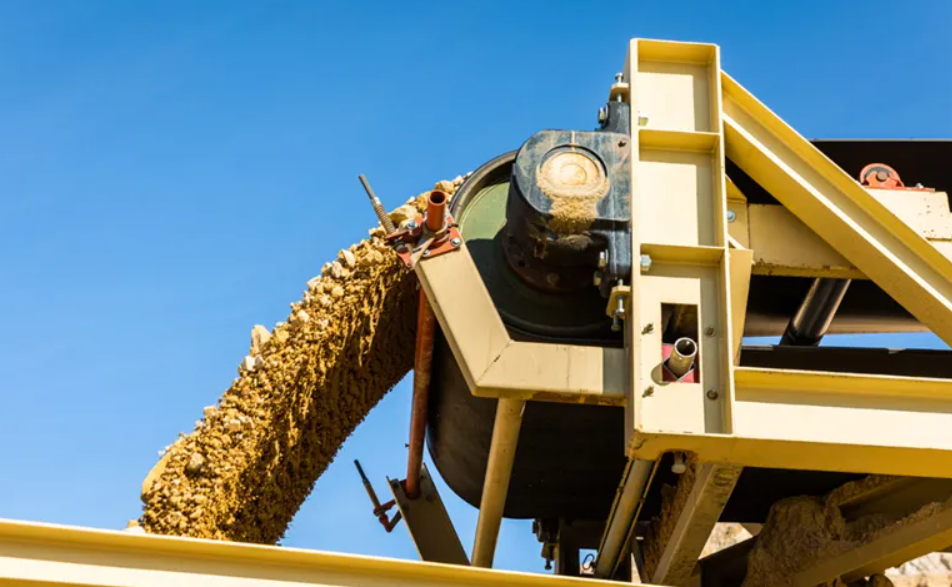
One of the primary advantages of industrial conveyors is their ability to handle a wide range of materials, including heavy or bulk items. Different types of conveyors cater to specific needs; for instance, belt conveyors are commonly used for transporting bulk materials over long distances, while roller conveyors are ideal for moving boxes or pallets in a warehouse setting. Vibrating conveyors, screw conveyors, and chain conveyors also serve specialized functions based on the characteristics of the materials being handled.
In addition to the type of conveyor, the configuration and layout of the system are essential for maximizing efficiency. A well-planned conveyor system minimizes downtime and ensures a smooth flow of materials, which is particularly important in high-paced environments. Furthermore, many industrial conveyors are designed with modular components, allowing for easy scalability and adaptation as business needs evolve.
Safety is another critical consideration when implementing industrial conveyors. Features such as emergency stop buttons, safety guards, and proper training for operators are necessary to mitigate risks associated with material handling. Regular maintenance and inspections of the conveyor systems can also prevent accidents and ensure reliable operation.
Furthermore, the integration of modern technology into conveyor systems has revolutionized their functionality. Automated conveyors equipped with sensors and software solutions can monitor performance, detect issues, and optimize operations in real-time. Such advancements not only improve efficiency but also provide valuable data for manufacturers to analyze productivity trends and make informed decisions.
In conclusion, industrial conveyors are indispensable in the realm of manufacturing and logistics. Their ability to enhance efficiency, improve safety, and adapt to various material handling needs makes them a cornerstone of modern production facilities. For professionals looking to optimize their operations, investing in the right conveyor system tailored to their specific requirements is a crucial step towards achieving sustained productivity and competitiveness in the market.
industrial conveyor





Product
About Us
We specialize in producing heavy-duty EP nylon conveyor belts, steel cord conveyor belts, corrugated rib conveyor belts, bucket elevator conveyor belts, herringbone conveyor belts, ring conveyor belts, etc. As a Chinese conveyor belt manufacturer, supplier and exporter, we focus on providing customers with high-quality conveyor belts and better services.
Baoding Fangnuo Rubber Products Manufacturing Co., Ltd.
Copyright Baoding Fangnuo Rubber Products Manufacturing Co., Ltd., All rights reserved