Baoding Fangnuo Rubber Products Manufacturing Co., Ltd.




Efficient Material Handling: The Critical Role of Conveyor Belts in Modern Manufacturing
Release time:
2025-10-17 11:20
Efficient Material Handling: The Critical Role of Conveyor Belts in Modern Manufacturing
Table of Contents
1. Understanding Material Handling in Manufacturing
2. The Evolution of Conveyor Belt Technology
3. Types of Conveyor Belts
3.1. Flat Belt Conveyors
3.2. Modular Belt Conveyors
3.3. Roller Bed Conveyors
3.4. Magnetic Conveyors
3.5. Incline/Decline Conveyors
4. Key Benefits of Conveyor Belts in Material Handling
4.1. Enhanced Efficiency and Productivity
4.2. Improved Safety Standards
4.3. Cost-Effectiveness
5. Applications of Conveyor Belts Across Industries
6. Choosing the Right Conveyor Belt for Your Manufacturing Needs
7. Maintenance Best Practices for Conveyor Systems
8. Future Trends in Conveyor Belt Technology
9. Frequently Asked Questions
10. Conclusion
1. Understanding Material Handling in Manufacturing
Material handling refers to the movement, protection, storage, and control of materials throughout the manufacturing process. Efficient material handling is essential for optimizing operations, reducing waste, and enhancing productivity. The integration of advanced technologies like conveyor belts has revolutionized how manufacturers operate, providing streamlined processes and maximizing output.
2. The Evolution of Conveyor Belt Technology
Conveyor belts have undergone significant advancements since their inception in the late 18th century. Initially created for transporting bulk materials, conveyor systems have evolved to accommodate a wide range of industries and applications. Today's conveyor belts are designed to enhance efficiency, reliability, and safety, incorporating features such as sensors, automation, and smart technology.
3. Types of Conveyor Belts
Understanding the different types of conveyor belts available is crucial for selecting the right one for your manufacturing needs.
3.1. Flat Belt Conveyors
Flat belt conveyors are among the most common types used in various industries. They consist of a continuous loop of material that moves along flat surfaces, making them ideal for transporting light to medium-weight products.
3.2. Modular Belt Conveyors
Modular belt conveyors are composed of interlocking plastic segments, allowing for versatility in design and layout. They are excellent for applications requiring frequent cleaning or configuration changes.
3.3. Roller Bed Conveyors
These conveyors use rollers to facilitate the movement of goods, reducing friction and wear. Roller bed conveyors are highly efficient for moving heavy items over long distances.
3.4. Magnetic Conveyors
Magnetic conveyors utilize magnets to hold metallic materials in place during transportation. This technology is particularly beneficial in industries where products must be moved at high speeds while maintaining stability.
3.5. Incline/Decline Conveyors
Incline and decline conveyors are specifically designed for moving materials up or down slopes. These conveyors are essential in applications where elevation changes are necessary.
4. Key Benefits of Conveyor Belts in Material Handling
Implementing conveyor belts into manufacturing processes offers numerous advantages.
4.1. Enhanced Efficiency and Productivity
Conveyor belts optimize the movement of materials, reducing manual labor and minimizing the chances of errors. This streamlined operation leads to higher productivity levels, allowing manufacturers to meet increasing demands.
4.2. Improved Safety Standards
By automating the material handling process, conveyor belts reduce the risk of workplace injuries associated with manual lifting and transporting. Enhanced safety features, such as emergency stop buttons and guarding, further protect workers.
4.3. Cost-Effectiveness
Investing in conveyor belts can lead to significant cost savings over time. By minimizing downtime, reducing labor costs, and increasing throughput, manufacturers can achieve a higher return on investment.
5. Applications of Conveyor Belts Across Industries
Conveyor belts are utilized in various sectors, each benefiting from their unique properties.
- **Food and Beverage Industry**: Conveyor belts are essential for moving products through processing and packaging lines.
- **Automotive Manufacturing**: These systems facilitate the assembly of vehicles by efficiently transporting parts and components.
- **Pharmaceuticals**: Conveyor belts help maintain strict hygiene standards while moving products through production lines.
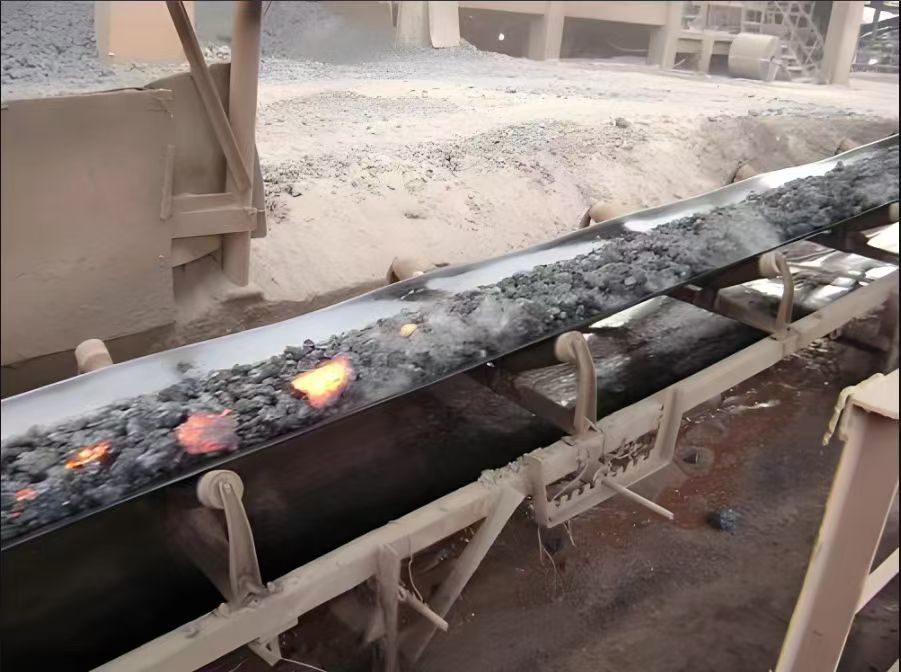
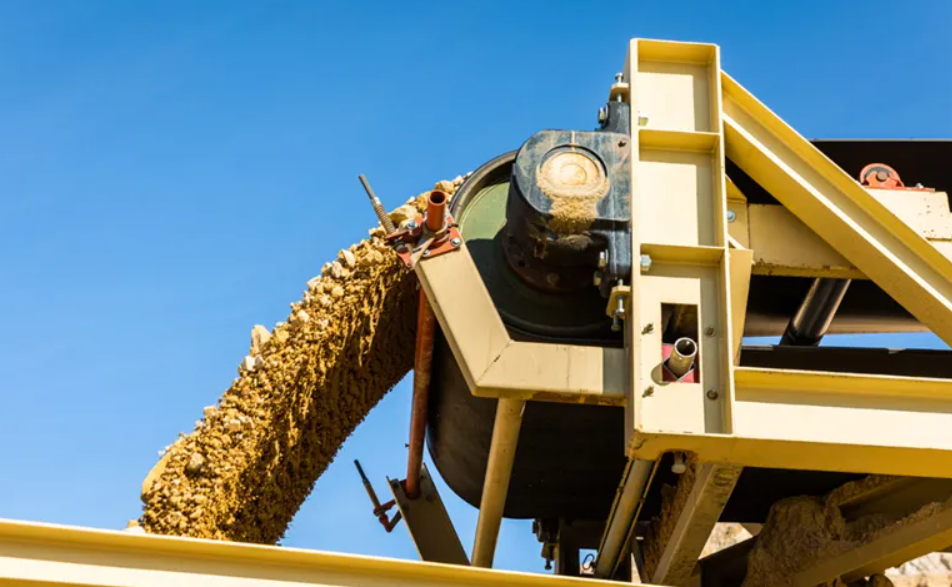
- **Mining and Quarrying**: Heavy-duty conveyor systems transport bulk materials over long distances.
6. Choosing the Right Conveyor Belt for Your Manufacturing Needs
Selecting the appropriate conveyor belt requires careful consideration of several factors. Assess the type of material being transported, the weight, the distance, and the required speed. Additionally, consider environmental conditions such as temperature and exposure to chemicals, which may impact the longevity of the conveyor system.
7. Maintenance Best Practices for Conveyor Systems
Maintaining conveyor belts is crucial for ensuring longevity and optimal performance. Regular inspections, cleaning, and lubrication are essential preventive measures. Implementing a scheduled maintenance program can help identify potential issues before they lead to costly downtime.
8. Future Trends in Conveyor Belt Technology
The future of conveyor belt technology looks promising, with innovations focused on enhancing automation and integrating smart technologies. Features such as IoT sensors and AI-driven analytics are set to revolutionize material handling, providing real-time data that can lead to further efficiency improvements.
9. Frequently Asked Questions
Q1: What are the main advantages of using conveyor belts in manufacturing?
A1: Conveyor belts enhance efficiency, improve safety, and provide cost-effectiveness by automating material handling processes.
Q2: How do I select the right conveyor belt for my industry?
A2: Consider factors such as material type, weight, distance, speed, and environmental conditions when choosing a conveyor belt.
Q3: What are the maintenance requirements for conveyor belts?
A3: Regular inspections, cleaning, lubrication, and adherence to a scheduled maintenance program are essential for optimal performance.
Q4: Can conveyor belts be customized for specific applications?
A4: Yes, conveyor belts can be tailored to meet specific industry needs, including size, material, and configuration.
Q5: What future trends should we expect in conveyor belt technology?
A5: Innovations will likely include enhanced automation, IoT integration, and AI-driven analytics for improved efficiency and data management.
10. Conclusion
In summary, conveyor belts play a critical role in enhancing material handling efficiency within the manufacturing sector. By understanding the different types of conveyor systems, their benefits, and best practices for maintenance, manufacturers can leverage this technology to optimize their operations. As advancements in conveyor belt technology continue to evolve, businesses can expect even greater efficiencies, safety improvements, and cost savings in their material handling processes. Embracing these systems is not just a matter of keeping pace; it is essential for staying competitive in a fast-evolving industry landscape.
industrial conveyor





Product
About Us
We specialize in producing heavy-duty EP nylon conveyor belts, steel cord conveyor belts, corrugated rib conveyor belts, bucket elevator conveyor belts, herringbone conveyor belts, ring conveyor belts, etc. As a Chinese conveyor belt manufacturer, supplier and exporter, we focus on providing customers with high-quality conveyor belts and better services.
Baoding Fangnuo Rubber Products Manufacturing Co., Ltd.
Copyright Baoding Fangnuo Rubber Products Manufacturing Co., Ltd., All rights reserved