Baoding Fangnuo Rubber Products Manufacturing Co., Ltd.




Understanding Heavy Duty Conveyor Belts: Essential Insights for Industrial Applications
Release time:
2025-10-02 12:10
Heavy duty conveyor belts are a vital component in many industrial applications, playing a crucial role in material handling, movement, and processing. Designed to endure extreme conditions, these belts offer durability and reliability, making them an essential investment for industries ranging from mining to manufacturing.
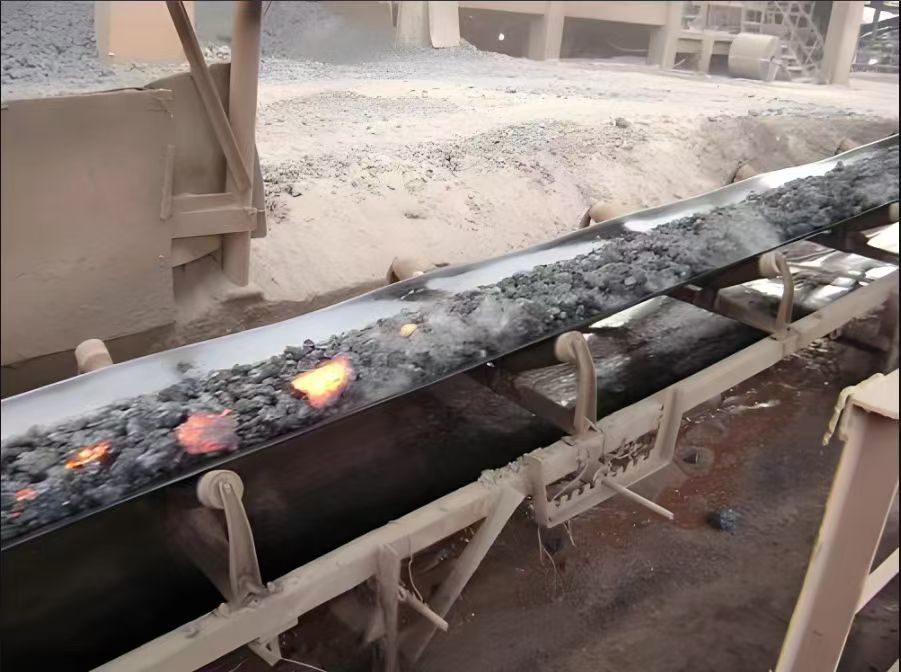
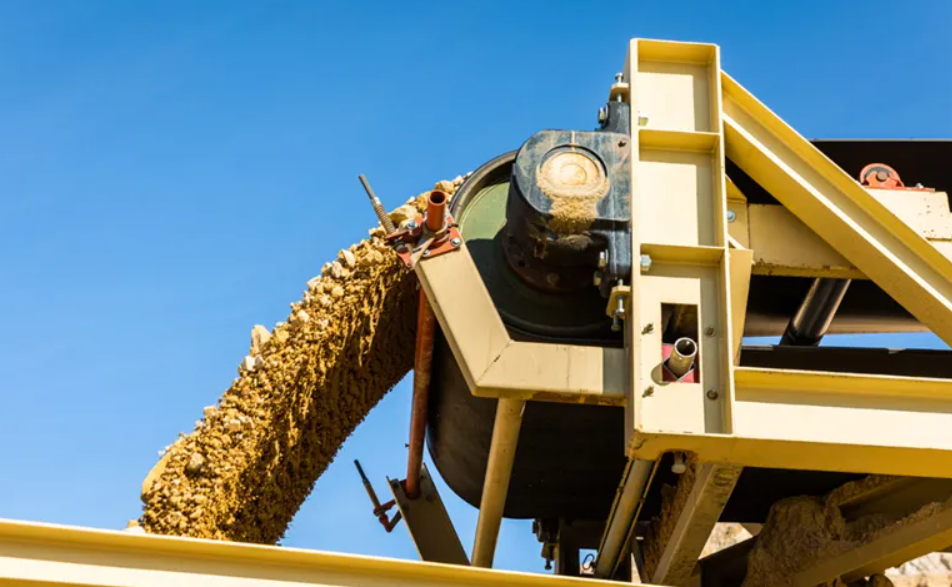
One of the defining characteristics of heavy duty conveyor belts is their robust construction. These belts are engineered using high-quality materials, such as rubber or reinforced synthetics, which provide superior tensile strength and resistance to wear and tear. This durability allows them to handle heavy loads, making them suitable for transporting bulk materials like gravel, coal, or metal parts without the risk of breakage or deformation.
In addition to strength, heavy duty conveyor belts are designed to operate in various environmental conditions. Whether exposed to extreme temperatures, moisture, or chemical substances, these belts can maintain their integrity, ensuring uninterrupted operations. This adaptability is especially important in sectors like agriculture, food processing, and recycling, where the materials handled can vary significantly and conditions can be challenging.
Another advantage of heavy duty conveyor belts is their customization potential. Industries often have unique requirements based on the specific materials they handle or the layout of their facilities. Manufacturers can tailor conveyor belts to meet these needs by adjusting factors such as width, length, and surface texture. This customization helps optimize efficiency, as the right belt can enhance the speed and effectiveness of material movement.
Maintenance is a critical aspect of ensuring the longevity and performance of heavy duty conveyor belts. Regular inspections can help identify wear patterns or damage early, allowing for timely repairs or replacements. Additionally, maintaining proper tension and alignment is essential to prevent slippage and ensure smooth operation. Educating staff on these maintenance practices can lead to significant cost savings and reduced downtime.
In summary, heavy duty conveyor belts are indispensable in industrial settings, providing the strength, reliability, and adaptability needed to handle a variety of materials under challenging conditions. Their robust construction and ability to be customized make them suitable for diverse applications, ensuring efficient and effective operations across multiple industries. By investing in high-quality heavy duty conveyor belts and implementing a proactive maintenance strategy, businesses can enhance productivity and achieve their operational goals. Understanding these aspects will empower stakeholders to make informed decisions regarding their material handling solutions.
heavy duty conveyor belt





Product
About Us
We specialize in producing heavy-duty EP nylon conveyor belts, steel cord conveyor belts, corrugated rib conveyor belts, bucket elevator conveyor belts, herringbone conveyor belts, ring conveyor belts, etc. As a Chinese conveyor belt manufacturer, supplier and exporter, we focus on providing customers with high-quality conveyor belts and better services.
Baoding Fangnuo Rubber Products Manufacturing Co., Ltd.
Copyright Baoding Fangnuo Rubber Products Manufacturing Co., Ltd., All rights reserved