Baoding Fangnuo Rubber Products Manufacturing Co., Ltd.




The Future of Manufacturing: Heavy Duty Conveyor Belt Trends That Will Transform Industries
Release time:
2025-10-07 12:50
The Future of Manufacturing: Heavy Duty Conveyor Belt Trends
Table of Contents
- 1. Introduction to Heavy Duty Conveyor Belts
- 2. Importance of Conveyor Belts in Modern Manufacturing
- 3. Key Trends Shaping Heavy Duty Conveyor Belts
- 4. Industry Applications for Heavy Duty Conveyor Belts
- 5. Impact of Conveyor Belt Innovations on Productivity
- 6. Challenges in Implementing New Conveyor Technologies
- 7. The Future Landscape of Heavy Duty Conveyor Belts
- 8. Conclusion
- 9. Frequently Asked Questions
1. Introduction to Heavy Duty Conveyor Belts
Heavy-duty conveyor belts are pivotal in the manufacturing sector, facilitating the seamless movement of materials across production lines. These belts are engineered to withstand the rigorous demands of industrial environments, ensuring that operations run smoothly and efficiently. As industries evolve and the need for greater productivity intensifies, the role of conveyor belts becomes increasingly critical.
2. Importance of Conveyor Belts in Modern Manufacturing
Conveyor belts serve as the backbone of manufacturing processes. They not only speed up the production workflow but also enhance safety and efficiency. The integration of these systems reduces manual labor, minimizes human error, and allows for 24/7 operational capabilities. By implementing robust conveyor belt systems, manufacturers can optimize their processes, reduce operational costs, and ultimately increase profitability.
3. Key Trends Shaping Heavy Duty Conveyor Belts
The landscape of manufacturing is rapidly changing, driven by technological advancements and evolving consumer demands. Below are critical trends influencing the development of heavy-duty conveyor belts.
3.1 Automation and Smart Technology
Automation in manufacturing has been a game-changer, and conveyor systems are no exception. Smart conveyor belts equipped with sensors and IoT technology enable real-time monitoring and data collection, allowing manufacturers to optimize performance. Predictive maintenance becomes feasible, reducing downtime and enhancing operational efficiency.
3.2 Sustainability and Eco-Friendly Materials
Sustainability is at the forefront of manufacturing initiatives. The demand for eco-friendly conveyor belts has surged, prompting manufacturers to explore materials that are recyclable or biodegradable. These innovations not only reduce a company's carbon footprint but also appeal to environmentally conscious consumers, making them a strategic business choice.
3.3 Customization and Modular Design
One-size-fits-all solutions are becoming obsolete. Today's manufacturing processes require conveyor systems that can be customized to meet specific operational needs. Modular conveyor belts are gaining popularity, allowing manufacturers to easily alter configurations as demands change. This adaptability supports continuous improvement and innovation in production efficiency.
3.4 Enhanced Safety Features
Safety in the workplace is paramount. Heavy-duty conveyor belts are now being designed with enhanced safety features such as emergency stop mechanisms, anti-slip surfaces, and safeguarding measures to protect workers from accidents. These advancements not only comply with regulations but also foster a culture of safety within manufacturing environments.
4. Industry Applications for Heavy Duty Conveyor Belts
Heavy-duty conveyor belts find applications across a variety of industries. Here are some key sectors where these systems are instrumental:
4.1 Automotive Industry
In the automotive sector, conveyor belts streamline the assembly line, ensuring components are delivered precisely where needed. This efficiency is crucial for meeting production deadlines and maintaining high-quality standards.
4.2 Food and Beverage
Conveyor belts are widely used in food processing and packaging. They ensure hygiene standards are met while facilitating the rapid movement of goods from production to packaging.
4.3 Mining and Minerals
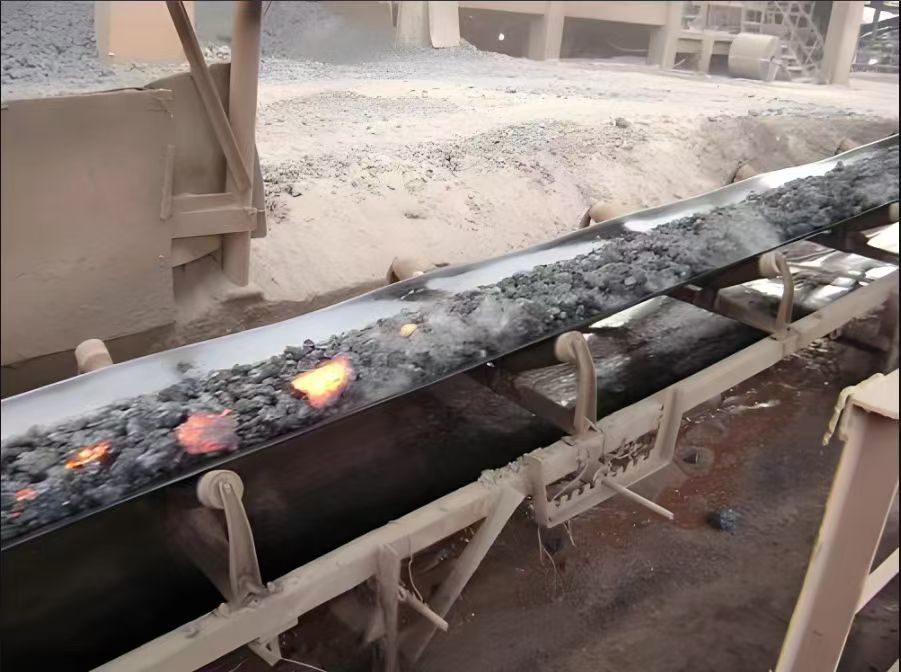
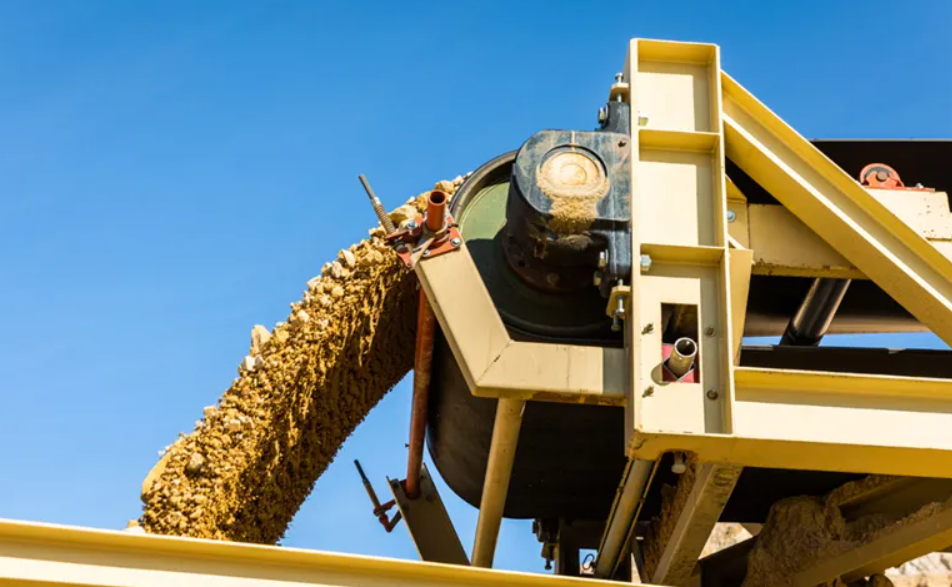
Heavy-duty conveyor belts in mining transport large quantities of raw materials over lengthy distances, significantly enhancing operational efficiency and reducing labor costs.
4.4 Pharmaceuticals
In pharmaceuticals, precision and cleanliness are vital. Conveyor systems designed for this sector handle delicate materials and ensure compliance with stringent regulations.
5. Impact of Conveyor Belt Innovations on Productivity
The integration of innovative conveyor belt technologies boosts productivity across manufacturing sectors. Enhanced automation leads to less manual handling, reducing labor costs and increasing output. Real-time monitoring enables predictive maintenance, preventing unexpected breakdowns that can halt production and incur losses. Sustainable practices also attract eco-conscious consumers, enhancing brand loyalty and market competitiveness.
6. Challenges in Implementing New Conveyor Technologies
Despite the benefits, the implementation of new conveyor technologies is not without challenges. High initial costs, the need for employee training, and the integration with existing systems can pose significant hurdles. Manufacturers must weigh these factors against the potential long-term benefits to make informed decisions.
7. The Future Landscape of Heavy Duty Conveyor Belts
Looking ahead, the future of heavy-duty conveyor belts is promising. Innovations in AI and machine learning will further enhance automation, enabling smarter, self-adjusting conveyor systems. The push for sustainability will continue to drive the development of eco-friendly materials. As manufacturing evolves, the adaptability and efficiency of conveyor systems will play a crucial role in shaping operational strategies.
8. Conclusion
The trends surrounding heavy-duty conveyor belts signify a transformative era in manufacturing. By embracing automation, sustainability, customization, and safety, manufacturers are setting the stage for a more efficient, productive future. As these innovations continue to evolve, the importance of conveyor belts in maintaining competitive advantage cannot be overstated.
9. Frequently Asked Questions
What are heavy-duty conveyor belts?
Heavy-duty conveyor belts are robust systems designed to transport materials in challenging industrial environments, offering high durability and efficiency.
How do automation and smart technology improve conveyor belt systems?
Automation and smart technology enable real-time monitoring, predictive maintenance, and optimized performance, significantly enhancing manufacturing efficiency and reducing downtime.
What is the importance of sustainability in conveyor belt manufacturing?
Sustainability reduces environmental impact, appeals to eco-conscious consumers, and can lead to cost savings through the use of recyclable or biodegradable materials.
How can conveyor systems be customized to meet specific industry needs?
Conveyor systems can be customized through modular designs, allowing manufacturers to change configurations and adapt to evolving operational requirements.
What are the key safety features of modern conveyor belts?
Modern conveyor belts include features like emergency stops, anti-slip surfaces, and safeguarding measures to ensure worker safety and compliance with regulations.
heavy duty conveyor belt





Product
About Us
We specialize in producing heavy-duty EP nylon conveyor belts, steel cord conveyor belts, corrugated rib conveyor belts, bucket elevator conveyor belts, herringbone conveyor belts, ring conveyor belts, etc. As a Chinese conveyor belt manufacturer, supplier and exporter, we focus on providing customers with high-quality conveyor belts and better services.
Baoding Fangnuo Rubber Products Manufacturing Co., Ltd.
Copyright Baoding Fangnuo Rubber Products Manufacturing Co., Ltd., All rights reserved