Baoding Fangnuo Rubber Products Manufacturing Co., Ltd.




Understanding Industrial Conveyors: Essential Components for Efficient Material Handling
Release time:
2025-10-12 11:30
Industrial conveyors play a vital role in the efficiency and productivity of material handling systems across various industries. These mechanical devices are designed to transport goods and materials from one location to another within a facility, streamlining operations and minimizing manual labor. Understanding the different types of conveyors and their applications can significantly enhance operational efficiency and reduce costs.
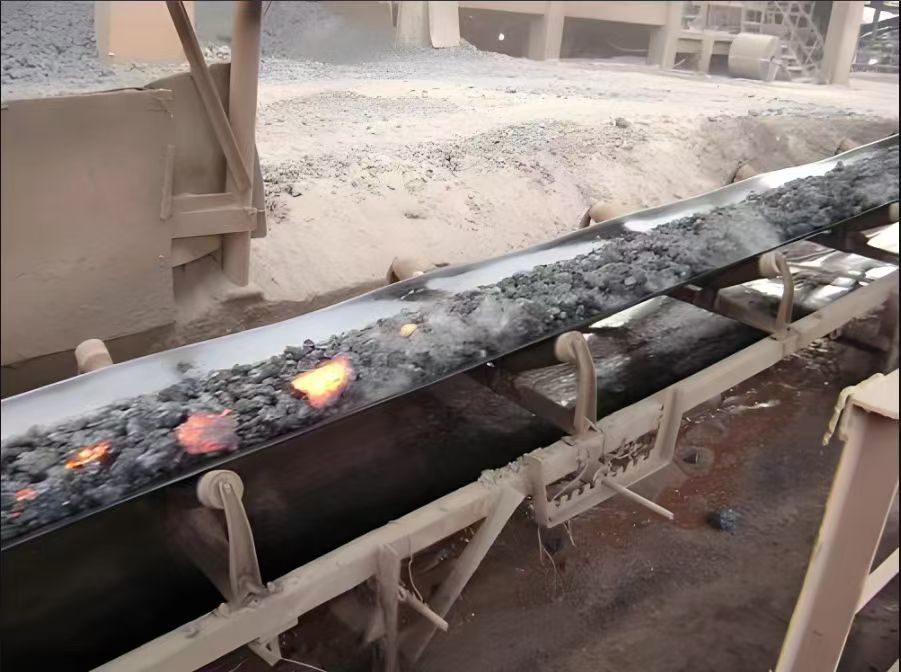
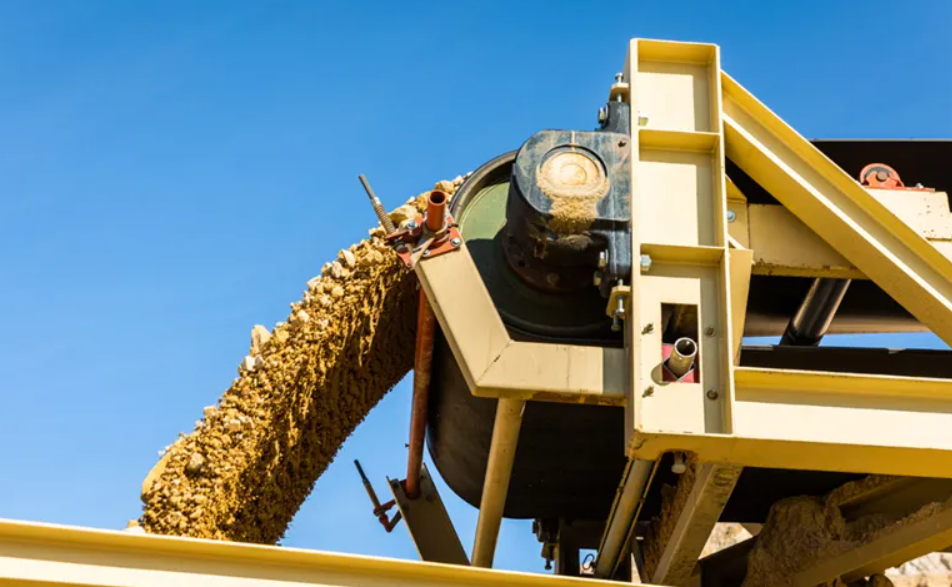
There are several types of industrial conveyors, each suited to specific tasks and materials. Some of the most common types include belt conveyors, roller conveyors, and chain conveyors. Belt conveyors are widely used for moving bulk materials and packaged goods. They consist of a continuous loop of material that transfers items along a predetermined path. Roller conveyors utilize a series of rollers to facilitate the movement of items, making them ideal for transporting heavy products or those with a stable base. Chain conveyors, on the other hand, use a series of interconnected chains to move items, making them suitable for transporting heavier materials or those that require a secure grip during transit.
One of the primary advantages of using industrial conveyors is their ability to increase productivity. By automating the transportation of goods, companies can reduce the time spent on manual handling, allowing workers to focus on more complex tasks. This automation not only improves efficiency but also minimizes the risk of injuries associated with manual lifting and carrying.
In addition to boosting productivity, industrial conveyors can also enhance the quality of operations. With precise control over the movement of materials, businesses can ensure timely deliveries and maintain a consistent flow of production. This reliability is particularly crucial in industries where just-in-time delivery is essential to meet customer demands and stay competitive.
Moreover, industrial conveyors can be customized to fit the specific needs of a facility. Whether it’s adjusting the speed, size, or orientation of the conveyor, these systems can be tailored to accommodate unique operational requirements. This flexibility makes them a valuable asset in various settings, from manufacturing plants to distribution centers.
Lastly, maintenance of industrial conveyors is crucial for their longevity and efficiency. Regular inspections and timely repairs can prevent unexpected breakdowns and costly downtimes. Operators should be trained to recognize signs of wear and tear and to follow best practices for maintaining their conveyor systems.
In conclusion, understanding industrial conveyors is essential for businesses looking to optimize their material handling processes. By investing in the right type of conveyor system and ensuring proper maintenance, companies can enhance productivity, improve operational quality, and gain a competitive edge in their respective industries.
There are several types of industrial conveyors, each suited to specific tasks and materials. Some of the most common types include belt conveyors, roller conveyors, and chain conveyors. Belt conveyors are widely used for moving bulk materials and packaged goods. They consist of a continuous loop of material that transfers items along a predetermined path. Roller conveyors utilize a series of rollers to facilitate the movement of items, making them ideal for transporting heavy products or those with a stable base. Chain conveyors, on the other hand, use a series of interconnected chains to move items, making them suitable for transporting heavier materials or those that require a secure grip during transit.
One of the primary advantages of using industrial conveyors is their ability to increase productivity. By automating the transportation of goods, companies can reduce the time spent on manual handling, allowing workers to focus on more complex tasks. This automation not only improves efficiency but also minimizes the risk of injuries associated with manual lifting and carrying.
In addition to boosting productivity, industrial conveyors can also enhance the quality of operations. With precise control over the movement of materials, businesses can ensure timely deliveries and maintain a consistent flow of production. This reliability is particularly crucial in industries where just-in-time delivery is essential to meet customer demands and stay competitive.
Moreover, industrial conveyors can be customized to fit the specific needs of a facility. Whether it’s adjusting the speed, size, or orientation of the conveyor, these systems can be tailored to accommodate unique operational requirements. This flexibility makes them a valuable asset in various settings, from manufacturing plants to distribution centers.
Lastly, maintenance of industrial conveyors is crucial for their longevity and efficiency. Regular inspections and timely repairs can prevent unexpected breakdowns and costly downtimes. Operators should be trained to recognize signs of wear and tear and to follow best practices for maintaining their conveyor systems.
In conclusion, understanding industrial conveyors is essential for businesses looking to optimize their material handling processes. By investing in the right type of conveyor system and ensuring proper maintenance, companies can enhance productivity, improve operational quality, and gain a competitive edge in their respective industries.
industrial conveyor





Product
About Us
We specialize in producing heavy-duty EP nylon conveyor belts, steel cord conveyor belts, corrugated rib conveyor belts, bucket elevator conveyor belts, herringbone conveyor belts, ring conveyor belts, etc. As a Chinese conveyor belt manufacturer, supplier and exporter, we focus on providing customers with high-quality conveyor belts and better services.
Baoding Fangnuo Rubber Products Manufacturing Co., Ltd.
Copyright Baoding Fangnuo Rubber Products Manufacturing Co., Ltd., All rights reserved