Baoding Fangnuo Rubber Products Manufacturing Co., Ltd.




Heat Resistant Conveyor Belts: A Comprehensive Guide to Features and Uses
Release time:
2025-12-06 12:30
Heat Resistant Conveyor Belts: A Comprehensive Guide to Features and Uses
Introduction to Heat Resistant Conveyor Belts
Conveyor belts play a pivotal role in modern industrial operations, especially in environments where high temperatures pose a risk to standard materials. This article delves into the world of **heat resistant conveyor belts**, highlighting their features, applications, and how they can significantly enhance productivity in various sectors.
Understanding Heat Resistant Conveyor Belts
Heat resistant conveyor belts are specially designed to withstand elevated temperatures, making them ideal for transporting materials in high-heat environments. These belts are essential in industries such as metallurgy, mining, and food processing, where they encounter extreme conditions.
What Makes Conveyor Belts Heat Resistant?
The heat resistance of conveyor belts is primarily determined by the materials used in their construction. Typically, these belts are made from advanced rubber compounds that can endure temperatures ranging from 100°C to 300°C (212°F to 572°F) or even higher, depending on the specific application.
Key Features of Heat Resistant Conveyor Belts
1. **High-Temperature Resistance**: These belts can handle extreme temperatures without losing their structural integrity.
2. **Chemical Resistance**: Many heat resistant belts also provide excellent resistance to various chemicals, ensuring longevity.
3. **Durability**: Constructed from robust materials, these belts are designed to withstand wear and tear over time.
4. **Flexibility**: Despite their strength, heat resistant belts maintain good flexibility, allowing them to navigate around pulleys and other components effectively.
Applications of Heat Resistant Conveyor Belts
Heat resistant conveyor belts are deployed across numerous industries. Here are some key applications:
1. Metal and Mining Industry
In the metal and mining sector, conveyor belts are exposed to high temperatures during the extraction and processing of metals. Heat resistant belts ensure that materials like hot ores and metals can be transported safely without damaging the belt.
2. Food Processing Industry
In food processing, **heat resistant conveyor belts** are used in baking and cooking applications. These belts can endure the high temperatures of ovens and fryers, providing a safe and efficient means of transporting food products.
3. Cement and Construction
The cement industry often involves transporting hot materials from kilns. Heat resistant belts can withstand the heat generated during the cement manufacturing process, ensuring smooth operation.
4. Energy Sector
In power generation plants, conveyor belts carry hot materials, such as coal or biomass. The durability of heat resistant belts ensures that they do not degrade in the elevated temperatures common in these settings.
5. Recycling Industry
In recycling plants, heat resistant conveyor belts help transport various materials, including those that may be exposed to heat during processing. They ensure operational efficiency and minimize the risk of belt failure.
Choosing the Right Heat Resistant Conveyor Belt
Selecting the appropriate heat resistant conveyor belt is crucial for operational success. Here are some factors to consider:
1. Temperature Ratings
Different applications require different heat resistance levels. It's vital to choose a belt that can handle the specific temperatures encountered in your processes.
2. Material Composition
The composition of the belt affects its durability and heat resistance. Look for belts made from high-quality rubber compounds that are designed specifically for high-temperature environments.
3. Belt Thickness and Width
The thickness and width of the conveyor belt should be suitable for the materials being transported. A thicker belt may offer more durability, while a wider belt can increase load capacity.
4. Application Environment
Consider the environment where the belt will operate. Factors such as humidity, the presence of chemicals, and mechanical wear should influence your selection.
Maintenance Tips for Heat Resistant Conveyor Belts
To ensure the longevity and efficiency of heat resistant conveyor belts, proper maintenance is essential. Here are some practical tips:
1. Regular Inspections
Conduct routine inspections to check for any signs of wear, damage, or misalignment. Early detection can prevent more significant issues down the line.
2. Proper Cleaning
Keep the belts clean to prevent the accumulation of debris, which can cause wear and tear. Use appropriate cleaning agents that won’t damage the belt material.
3. Monitor Tensioning
Maintaining the correct tension on the conveyor belt is crucial. Too much tension can lead to premature wear, while too little can cause slippage.
4. Lubrication of Pulleys
Ensure that pulleys and idle rollers are adequately lubricated to reduce friction and wear on the belt.
Conclusion
Heat resistant conveyor belts are indispensable in many industries where high temperatures are a regular occurrence. Their ability to withstand extreme conditions while maintaining durability and flexibility makes them a critical component in operational efficiency. By understanding their features, applications, and maintenance requirements, businesses can optimize their processes and enhance productivity. Investing in the right heat resistant conveyor belt is not just a choice; it's a strategic decision that can lead to long-term success.
FAQs about Heat Resistant Conveyor Belts
1. What materials are used in heat resistant conveyor belts?
Heat resistant conveyor belts are typically made from specialized rubber compounds that can endure high temperatures without deteriorating.
2. What temperature range can heat resistant conveyor belts withstand?
These belts can generally withstand temperatures from 100°C to 300°C (212°F to 572°F) or even higher, depending on the specific belt design.
3. How do I know if I need a heat resistant conveyor belt?
If your operations involve transporting materials that are exposed to high temperatures, then a heat resistant conveyor belt is likely necessary for maintaining efficiency and safety.
4. Can heat resistant conveyor belts be used in food processing?
Yes, many heat resistant conveyor belts are designed specifically for food processing applications, allowing them to endure the high temperatures found in ovens and fryers.
5. What maintenance practices are essential for heat resistant conveyor belts?
Regular inspections, proper cleaning, monitoring tension, and lubricating pulleys are crucial maintenance practices to extend the life of heat resistant conveyor belts.
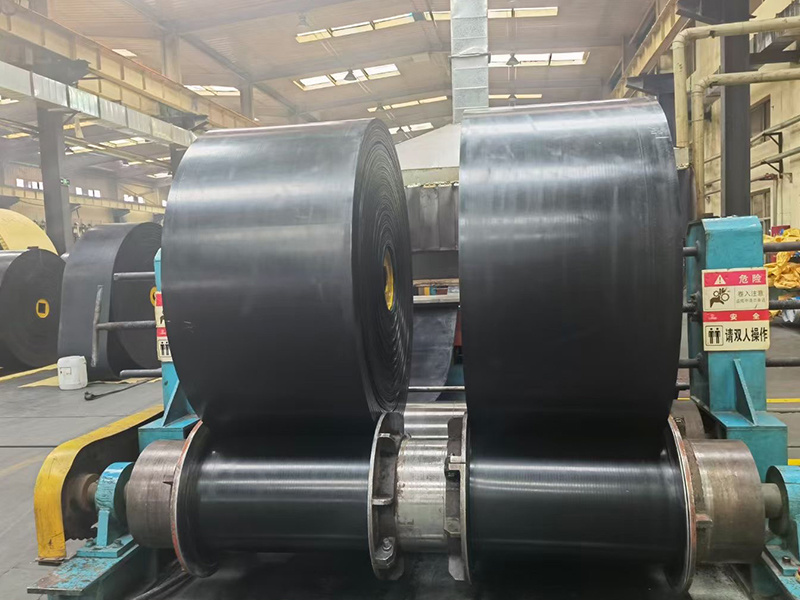
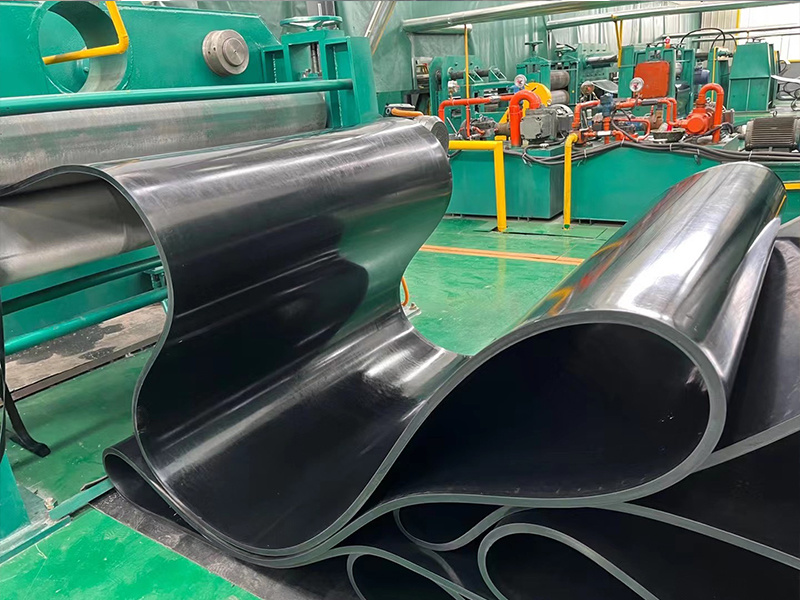
heat resistant conveyor belt





Product
About Us
We specialize in producing heavy-duty EP nylon conveyor belts, steel cord conveyor belts, corrugated rib conveyor belts, bucket elevator conveyor belts, herringbone conveyor belts, ring conveyor belts, etc. As a Chinese conveyor belt manufacturer, supplier and exporter, we focus on providing customers with high-quality conveyor belts and better services.
Baoding Fangnuo Rubber Products Manufacturing Co., Ltd.
Copyright Baoding Fangnuo Rubber Products Manufacturing Co., Ltd., All rights reserved