Baoding Fangnuo Rubber Products Manufacturing Co., Ltd.




Why Fire Resistant Conveyor Belts Are Essential for Industrial Safety
Release time:
2026-03-16 14:40
Why Fire Resistant Conveyor Belts Are Essential for Industrial Safety
Table of Contents
- 1. Introduction to Fire Safety in Industrial Settings
- 2. The Importance of Fire Resistant Conveyor Belts
- 3. Key Benefits of Fire Resistant Conveyor Belts
- 4. Applications of Fire Resistant Conveyor Belts
- 5. Industry Standards and Certifications
- 6. How to Choose the Right Fire Resistant Conveyor Belt
- 7. Maintenance and Care for Fire Resistant Conveyor Belts
- 8. Frequently Asked Questions
- 9. Conclusion
1. Introduction to Fire Safety in Industrial Settings
In any industrial environment, the potential for fire hazards is a critical concern. Factories, warehouses, and manufacturing plants often deal with flammable materials, machinery, and high temperatures. As such, implementing effective safety measures is vital. Fire resistant conveyor belts represent one of the most effective solutions for mitigating fire risks in material handling processes. These specialized belts are designed to resist ignition and limit the spread of flames, thereby protecting both equipment and personnel.
2. The Importance of Fire Resistant Conveyor Belts
The importance of fire resistant conveyor belts cannot be overstated. In industries such as mining, food processing, and recycling, where combustible materials are frequently transported, the use of non-fire-resistant belts could lead to catastrophic consequences. Fires can not only cause significant property damage but also result in injuries or fatalities among workers. By investing in fire resistant conveyor belts, companies can significantly reduce these risks, promoting a safer workplace environment.
Fire Risks in Industrial Applications
Understanding the specific fire risks associated with various industrial applications is crucial. Some of the most common fire hazards include:
- Accumulation of flammable dust and debris
- Chemical spills that ignite
- Overheating of machinery
- Electrical faults
Fire resistant conveyor belts address these risks by providing a barrier that resists ignition, thereby preventing small fires from escalating into major disasters.
3. Key Benefits of Fire Resistant Conveyor Belts
The advantages of using fire resistant conveyor belts extend beyond mere compliance with safety regulations. Here are some key benefits:
Enhanced Worker Safety
When workers feel safe in their environment, productivity improves. Fire resistant conveyor belts help to minimize the risk of fire-related injuries, allowing employees to focus on their tasks without the constant worry of potential hazards.
Reduced Downtime
In the event of a fire, the resulting downtime can be crippling for businesses. Fire resistant conveyor belts help to prevent fires from starting, reducing the likelihood of unexpected shutdowns and costly repairs.
Long-Term Cost Savings
While fire resistant conveyor belts may come with a higher upfront cost compared to standard belts, the long-term savings in terms of reduced insurance premiums, damage control, and productivity loss can be significant.
4. Applications of Fire Resistant Conveyor Belts
Fire resistant conveyor belts are utilized in various industries where fire hazards are prevalent. Some key applications include:
Mining and Mineral Processing
In mining operations, conveyor belts transport materials that can be highly combustible. Utilizing fire resistant belts reduces the risk of fires caused by friction or coal dust.
Food Processing
Food processing plants often work with oils and fats, which can ignite easily. Implementing fire resistant conveyor belts in these environments helps ensure that any ignition sources are mitigated.
Recycling Facilities
Recycling facilities handle a variety of materials, including plastics and metals that can be fire hazards. Fire resistant conveyor belts play a critical role in preventing fires in these dynamic environments.
5. Industry Standards and Certifications
To ensure effectiveness, fire resistant conveyor belts must adhere to specific industry standards and certifications. These standards vary by region and industry but typically include:
- **ISO 340**: This international standard specifies the test methods for the fire behavior of conveyor belts.
- **DIN 22102**: A German standard that outlines the requirements for fire resistant conveyor belts used in underground applications.
- **BS 5852**: A British standard pertaining to the ignitability of flexible materials.
Understanding the relevant standards is essential for selecting the appropriate fire resistant conveyor belt for your application.
6. How to Choose the Right Fire Resistant Conveyor Belt
Selecting the right fire resistant conveyor belt involves considering several factors:
Material Composition
Different materials offer varying levels of fire resistance. Common fire resistant materials include rubber, PVC, and polyurethane.
Operating Environment
Consider the specific conditions in which the conveyor belt will operate. Factors such as temperature, exposure to chemicals, and the type of materials being transported can influence the choice of belt.
Load Capacity
Ensure that the selected conveyor belt can handle the required load without compromising safety.
Manufacturer Reputation
Choose a reputable manufacturer that specializes in fire resistant materials. Look for reviews and case studies to gauge their track record.
7. Maintenance and Care for Fire Resistant Conveyor Belts
Proper maintenance is crucial for ensuring the longevity and effectiveness of fire resistant conveyor belts. Here are some tips for upkeep:
Regular Inspections
Conduct regular inspections to identify signs of wear, damage, or degradation. Early detection of issues can prevent catastrophic failures.
Cleaning Procedures
Keep the conveyor belt clean from debris and flammable materials. Establish a cleaning schedule that corresponds with operational demands.
Prompt Repairs
Address any damages immediately to maintain the integrity of the fire resistance features of the belt.
8. Frequently Asked Questions
What are fire resistant conveyor belts made of?
Fire resistant conveyor belts are typically made of specialized rubber compounds, PVC, or polyurethane designed to withstand high temperatures and resist ignition.
How do I know if my conveyor belt is fire resistant?
Check the manufacturer's specifications and certifications. Look for compliance with industry standards such as ISO 340 or DIN 22102.
Are fire resistant conveyor belts expensive?
While fire resistant conveyor belts may have a higher initial cost, they can save money in the long term through reduced downtime and lower insurance premiums.
Can fire resistant conveyor belts be used in all industries?
Fire resistant conveyor belts are especially important in industries with high fire risks, such as mining, food processing, and recycling. However, they can be beneficial in any industrial setting where flammable materials are present.
How often should I inspect my fire resistant conveyor belts?
Regular inspections should be conducted at least once a month, with more frequent checks required in high-use environments.
9. Conclusion
In the ever-evolving landscape of industrial operations, the safety of employees and equipment is non-negotiable. Fire resistant conveyor belts offer a robust solution to mitigate fire hazards that could otherwise result in devastating consequences. By understanding the importance of these belts, their applications, and how to select and maintain them, industrial operators can create safer environments that protect their most valuable assets—people and property. Investing in fire resistant conveyor belts is not just a regulatory requirement; it's a proactive step towards ensuring a secure and efficient workplace.
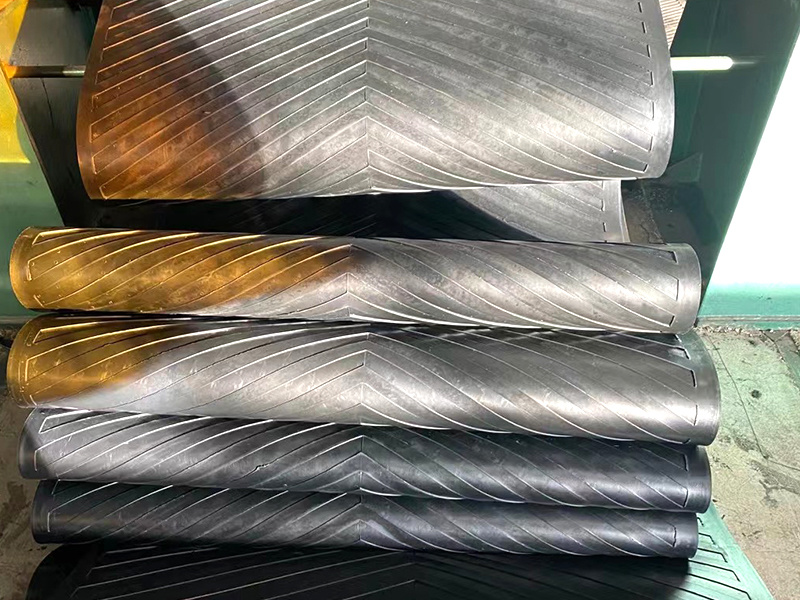
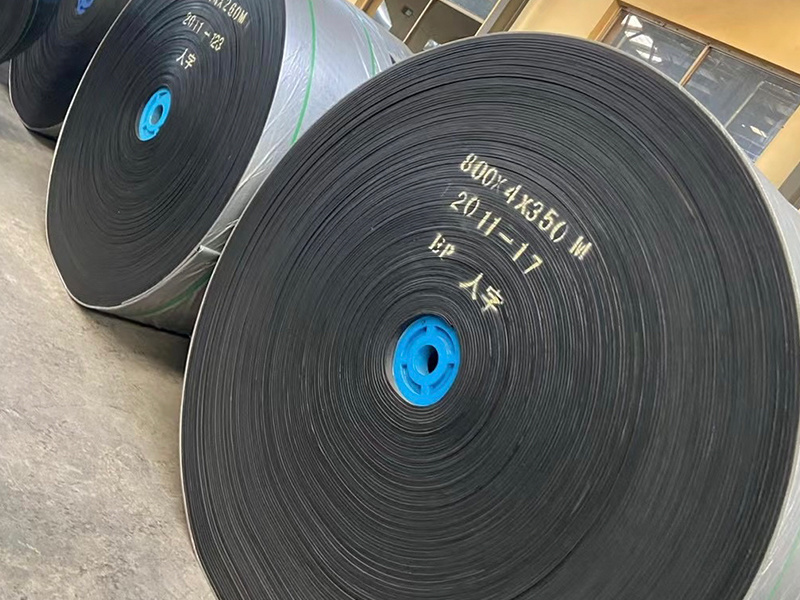
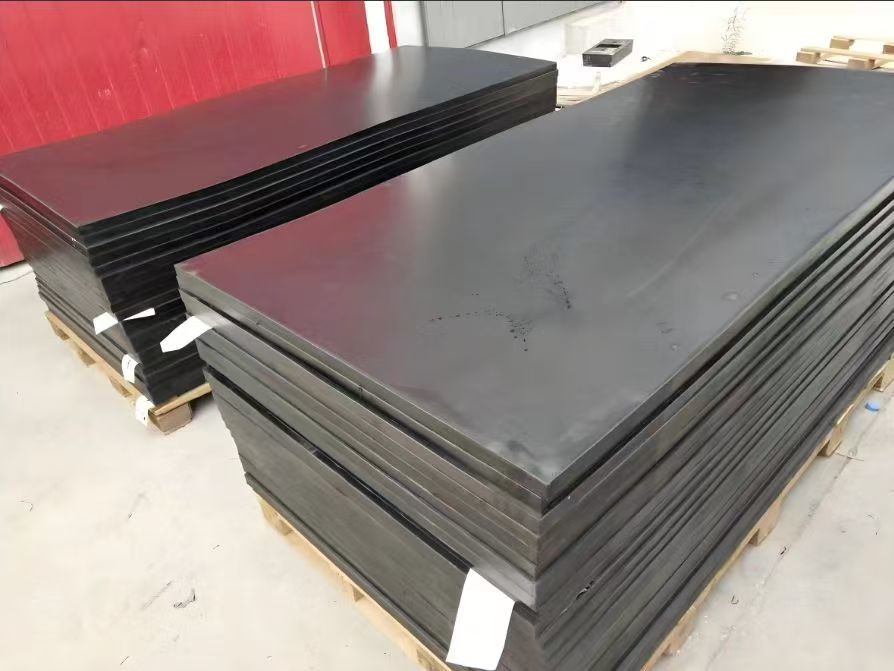
fire resistant conveyor belt




Product
About Us
We specialize in producing heavy-duty EP nylon conveyor belts, steel cord conveyor belts, corrugated rib conveyor belts, bucket elevator conveyor belts, herringbone conveyor belts, ring conveyor belts, etc. As a Chinese conveyor belt manufacturer, supplier and exporter, we focus on providing customers with high-quality conveyor belts and better services.
Baoding Fangnuo Rubber Products Manufacturing Co., Ltd.
Copyright Baoding Fangnuo Rubber Products Manufacturing Co., Ltd., All rights reserved