Baoding Fangnuo Rubber Products Manufacturing Co., Ltd.




Understanding Grain Conveyor Belts: Essential Components for Efficient Material Handling
Release time:
2026-03-31 15:10
Grain conveyor belts are pivotal components in the industrial equipment and components sector, particularly within the realm of material handling systems. These specialized belts are designed to transport bulk materials, such as grains, seeds, and other agricultural products, from one location to another with maximum efficiency and minimal waste.
The primary function of a grain conveyor belt is to facilitate the movement of heavy and often cumbersome loads across varying distances, making them essential tools in agricultural and industrial settings. Their robust construction ensures they can withstand the demands of transporting abrasive materials, while their design allows for smooth operation, reducing wear and tear over time. This is critical in industries where downtime can lead to significant financial losses.
One of the key advantages of grain conveyor belts is their versatility. They are available in various styles and configurations, including flat belts, modular belts, and bucket elevators. Flat belts are commonly used for straightforward horizontal transportation, while modular belts can be adapted for more complex applications, including inclines and declines. Bucket elevators, on the other hand, are designed to lift grain vertically, making them indispensable in grain storage and processing facilities.
The materials used in manufacturing grain conveyor belts are carefully selected to ensure durability and longevity. Common materials include rubber, PVC, and polyurethane, each chosen based on the specific requirements of the application. For instance, rubber is often utilized for its high friction properties, making it ideal for applications requiring enhanced grip, while PVC belts are favored for their chemical resistance.
Another critical aspect to consider when utilizing grain conveyor belts is maintenance. Regular inspections and timely servicing can significantly extend the lifespan of the belt. This includes checking for wear and tear, ensuring proper alignment, and monitoring tension levels. Implementing a preventive maintenance schedule can help identify potential issues before they escalate, ensuring seamless operation and reducing the risk of unexpected downtime.
In addition to maintenance, understanding the loading and unloading processes is essential for optimal performance. Properly designed loading areas can minimize spillage and ensure that the grain is evenly distributed along the belt. Likewise, unloading mechanisms should be efficient to prevent bottlenecks, allowing for a smooth transition from the conveyor system to storage or processing areas.
In conclusion, grain conveyor belts are crucial in the efficient transport of bulk materials within various industrial sectors. Their versatility, durability, and the potential for tailored maintenance strategies make them indispensable components in material handling systems. By understanding the different types and operational best practices associated with grain conveyor belts, professionals in the industry can enhance productivity and streamline their processes, thereby achieving operational excellence.
The primary function of a grain conveyor belt is to facilitate the movement of heavy and often cumbersome loads across varying distances, making them essential tools in agricultural and industrial settings. Their robust construction ensures they can withstand the demands of transporting abrasive materials, while their design allows for smooth operation, reducing wear and tear over time. This is critical in industries where downtime can lead to significant financial losses.
One of the key advantages of grain conveyor belts is their versatility. They are available in various styles and configurations, including flat belts, modular belts, and bucket elevators. Flat belts are commonly used for straightforward horizontal transportation, while modular belts can be adapted for more complex applications, including inclines and declines. Bucket elevators, on the other hand, are designed to lift grain vertically, making them indispensable in grain storage and processing facilities.
The materials used in manufacturing grain conveyor belts are carefully selected to ensure durability and longevity. Common materials include rubber, PVC, and polyurethane, each chosen based on the specific requirements of the application. For instance, rubber is often utilized for its high friction properties, making it ideal for applications requiring enhanced grip, while PVC belts are favored for their chemical resistance.
Another critical aspect to consider when utilizing grain conveyor belts is maintenance. Regular inspections and timely servicing can significantly extend the lifespan of the belt. This includes checking for wear and tear, ensuring proper alignment, and monitoring tension levels. Implementing a preventive maintenance schedule can help identify potential issues before they escalate, ensuring seamless operation and reducing the risk of unexpected downtime.
In addition to maintenance, understanding the loading and unloading processes is essential for optimal performance. Properly designed loading areas can minimize spillage and ensure that the grain is evenly distributed along the belt. Likewise, unloading mechanisms should be efficient to prevent bottlenecks, allowing for a smooth transition from the conveyor system to storage or processing areas.
In conclusion, grain conveyor belts are crucial in the efficient transport of bulk materials within various industrial sectors. Their versatility, durability, and the potential for tailored maintenance strategies make them indispensable components in material handling systems. By understanding the different types and operational best practices associated with grain conveyor belts, professionals in the industry can enhance productivity and streamline their processes, thereby achieving operational excellence.
grain conveyor belt
Previous:
Previous:




Product
About Us
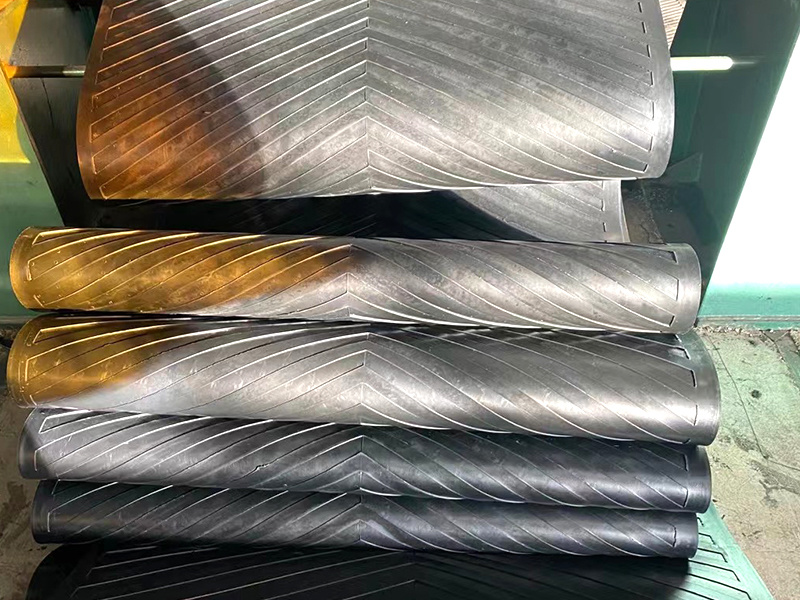
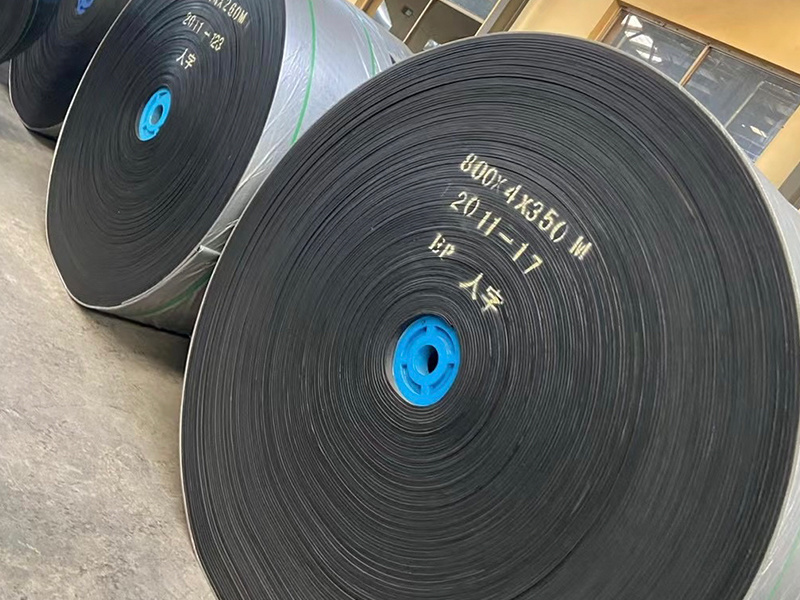
We specialize in producing heavy-duty EP nylon conveyor belts, steel cord conveyor belts, corrugated rib conveyor belts, bucket elevator conveyor belts, herringbone conveyor belts, ring conveyor belts, etc. As a Chinese conveyor belt manufacturer, supplier and exporter, we focus on providing customers with high-quality conveyor belts and better services.
Baoding Fangnuo Rubber Products Manufacturing Co., Ltd.
Copyright Baoding Fangnuo Rubber Products Manufacturing Co., Ltd., All rights reserved