Baoding Fangnuo Rubber Products Manufacturing Co., Ltd.




Maximizing Efficiency with O Ring Belts in Conveyor Systems
Release time:
2026-04-15 14:30
Maximizing Efficiency with O Ring Belts in Conveyor Systems
Understanding O Ring Belts: The Basics
O Ring belts are a crucial component in various industrial conveyor systems. Designed for durability and efficiency, these belts offer a unique circular shape that allows for smooth operation and reduced wear and tear. Unlike traditional flat belts, O Ring belts provide a continuous loop, which minimizes the risk of slippage, increasing the reliability of the entire conveyor system.
The Structure of O Ring Belts
O Ring belts consist of a continuous loop of rubber or elastomer material. Their design allows them to fit snugly onto pulleys, ensuring consistent tension and alignment throughout their operation. This structure is particularly beneficial in applications where precision is paramount, such as in the food processing, packaging, and automotive industries.
How O Ring Belts Function in Conveyor Systems
In conveyor systems, O Ring belts operate by transferring motion from one pulley to another. The continuous nature of these belts allows for seamless transportation of materials, reducing the chances of jams or misalignment. This efficient operation is essential in high-velocity environments where speed and reliability are critical.
The Advantages of Using O Ring Belts
Implementing O Ring belts in conveyor systems yields numerous advantages that contribute to overall operational efficiency.
1. Enhanced Durability and Longevity
O Ring belts are built to withstand harsh conditions, including extreme temperatures and abrasive materials. Their robust design minimizes wear and tear, leading to longer life cycles compared to conventional belts. This durability translates to lower replacement costs and fewer interruptions in production.
2. Increased Energy Efficiency
The efficient design of O Ring belts allows for reduced friction, which in turn lowers the energy consumption of the conveyor system. By minimizing energy use, facilities not only save on operational costs but also reduce their environmental footprint.
3. Reduced Maintenance Requirements
O Ring belts require less frequent maintenance than traditional systems. Their unique design minimizes the need for adjustments and replacements, allowing maintenance teams to focus on other critical areas of the operation. This reduction in downtime is vital for maintaining productivity levels.
4. Versatility Across Various Applications
O Ring belts can be utilized in a variety of industrial applications, from light-duty conveyor systems to heavy-duty machinery. Their adaptability makes them suitable for diverse industries, including manufacturing, logistics, and food production.
Choosing the Right O Ring Belt for Your Conveyor System
Selecting the appropriate O Ring belt involves understanding the specific requirements of your conveyor system.
1. Assessing Material Compatibility
Different materials used for O Ring belts can impact their performance. Consider the types of materials being transported, as well as the operating environment. For example, belts made from oil-resistant rubber are ideal for environments where exposure to lubricants is common.
2. Evaluating Load Capacity
Determine the maximum load your conveyor system will transport. O Ring belts come in various sizes and strengths; choosing a belt with the appropriate load capacity is critical for preventing premature failure.
3. Measuring Belt Dimensions
Accurate measurement of belt dimensions, including diameter and thickness, ensures proper fit and function within the conveyor system. Consult manufacturer specifications to find the right match.
Best Practices for Integrating O Ring Belts into Conveyor Systems
To maximize the effectiveness of O Ring belts, follow these best practices during integration.
1. Proper Installation Techniques
Ensuring that O Ring belts are correctly installed is crucial for optimal performance. Follow manufacturer guidelines and utilize appropriate tools to achieve a snug fit on pulleys.
2. Regular Inspection and Monitoring
Implement a routine inspection schedule to monitor the condition of O Ring belts. Look for signs of wear, such as cracking or stretching, and address any issues promptly to prevent operational disruptions.
3. Training Personnel
Educating staff on the importance and maintenance of O Ring belts can significantly enhance their effectiveness. Provide training on proper installation techniques, troubleshooting common issues, and recognizing when to replace belts.
Common Issues with O Ring Belts and How to Solve Them
Even with their advantages, O Ring belts can encounter specific issues. Understanding these problems and their solutions can help maintain operational efficiency.
1. Slippage
**Slippage** occurs when the O Ring belt loses grip on the pulleys, leading to decreased performance. To address this, ensure that belts are properly tensioned and aligned. Consider using pulleys with textured surfaces to enhance grip.
2. Wear and Tear
All belts experience wear over time. Regular inspections can help identify early signs of wear. If an O Ring belt shows consistent signs of degradation, it should be replaced to avoid compromised performance.
3. Misalignment
Misalignment can lead to uneven wear and potential failure. Regularly check the alignment of pulleys and make necessary adjustments to maintain smooth operation.
FAQs About O Ring Belts in Conveyor Systems
1. What industries commonly use O Ring belts?
O Ring belts are prevalent in various industries, including food processing, pharmaceuticals, automotive, and logistics.
2. How do I know when to replace my O Ring belt?
Signs of wear, such as cracking, stretching, or fraying, indicate that a replacement is necessary. Regular inspections can help determine the right time for replacement.
3. Can O Ring belts be repaired?
While minor damage may sometimes be repaired, it is generally more advisable to replace a damaged O Ring belt to ensure reliability.
4. What factors influence the lifespan of O Ring belts?
Factors include load capacity, operating temperature, environmental conditions, and the frequency of maintenance.
5. How can I improve the efficiency of my conveyor system with O Ring belts?
Ensure proper installation, conduct regular maintenance, and choose the right belt material and size for your specific application to maximize efficiency.
Conclusion
Incorporating O Ring belts into conveyor systems presents a significant opportunity for maximizing operational efficiency. With their unique design, durability, and versatility, O Ring belts stand out as an ideal choice for various industrial applications. By understanding their functions, benefits, and maintenance requirements, businesses can enhance productivity, reduce costs, and optimize their conveyor systems. Investing in quality O Ring belts and following best practices ensures long-term success and reliability in material handling processes.
o ring belts
Previous:
Previous:





Product
About Us
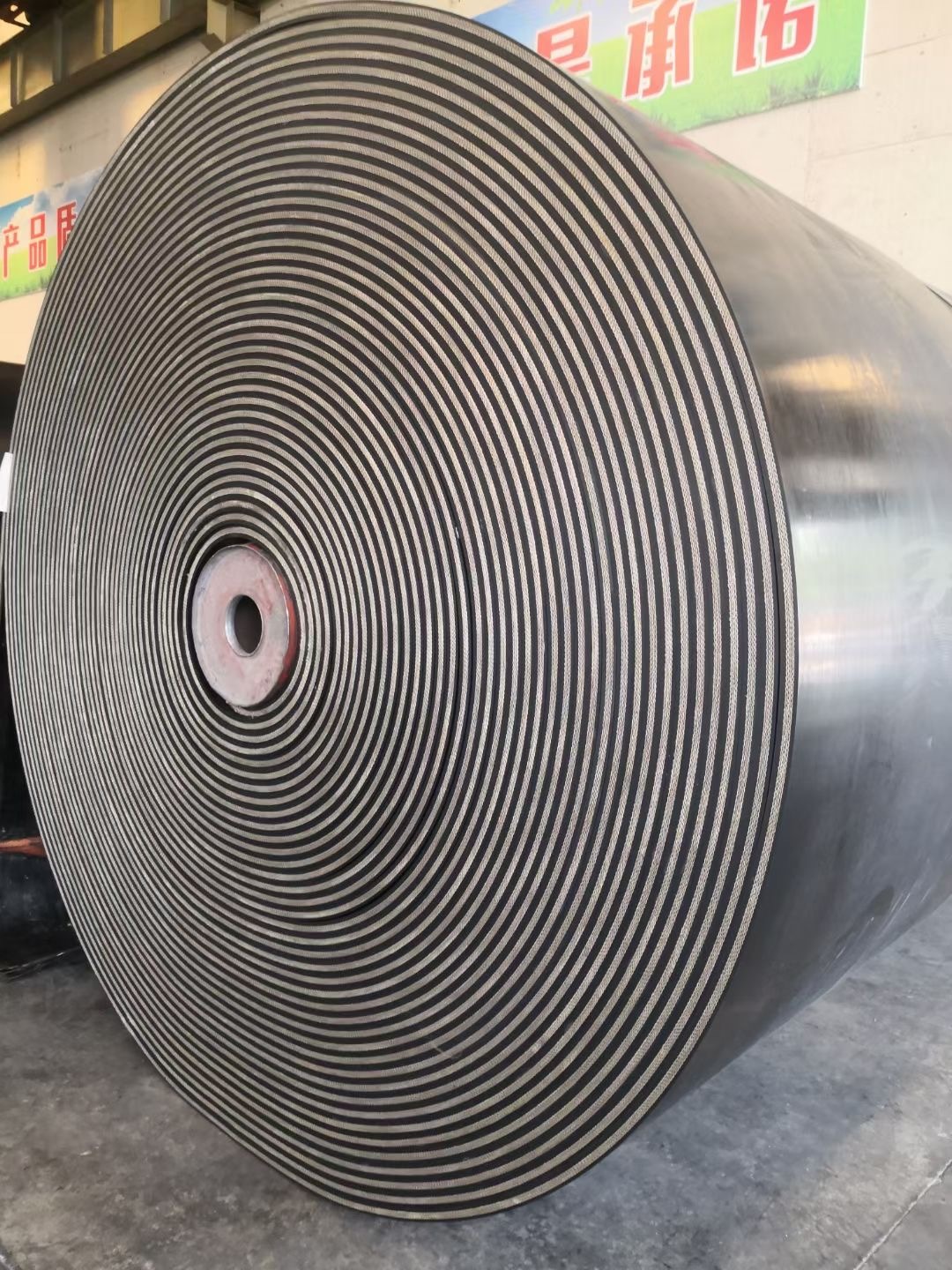
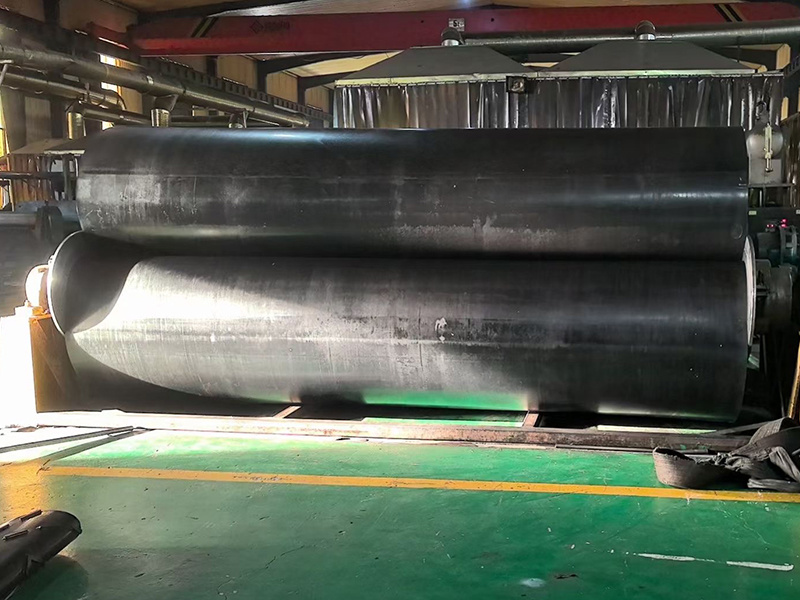
We specialize in producing heavy-duty EP nylon conveyor belts, steel cord conveyor belts, corrugated rib conveyor belts, bucket elevator conveyor belts, herringbone conveyor belts, ring conveyor belts, etc. As a Chinese conveyor belt manufacturer, supplier and exporter, we focus on providing customers with high-quality conveyor belts and better services.
Baoding Fangnuo Rubber Products Manufacturing Co., Ltd.
Copyright Baoding Fangnuo Rubber Products Manufacturing Co., Ltd., All rights reserved