Baoding Fangnuo Rubber Products Manufacturing Co., Ltd.




Why Your Industry Needs an Oil Resistant Conveyor Belt: Enhancing Efficiency and Longevity
Release time:
2026-05-15 09:30
Why Your Industry Needs an Oil Resistant Conveyor Belt
In industries that handle oil or oily substances, standard conveyor belts often fall short. The exposure to oils can lead to material degradation, increased maintenance costs, and operational inefficiencies. An oil resistant conveyor belt is not just a luxury; it’s a necessity for maintaining productivity and ensuring the longevity of your equipment. This article dives deep into the importance of these specialized belts, their benefits, and the factors to consider when selecting the right one for your business.
Understanding Oil Resistant Conveyor Belts
Oil resistant conveyor belts are specially designed to withstand exposure to oils, greases, and other petroleum products. These belts are constructed from materials that do not deteriorate when in contact with such substances, making them ideal for industries like automotive, food processing, and manufacturing.
The Composition of Oil Resistant Conveyor Belts
The core of an oil resistant conveyor belt typically consists of rubber compounds enhanced with chemical additives that provide resistance to oils. Common materials used include:
- **Nitrile Rubber**: Known for its excellent oil resistance and durability.
- **Neoprene**: Offers good chemical resistance and weathering properties.
- **PVC**: Often used for lighter loads, PVC belts are also oil resistant and cost-effective.
Types of Oil Resistant Conveyor Belts
When selecting an oil resistant conveyor belt, understanding the different types available is crucial. The categories include:
1. **Flat Belts**: Ideal for transporting materials horizontally or on a slight incline.
2. **Modular Belts**: Consist of interlocking plastic pieces, making them easy to maintain and replace.
3. **Wire Mesh Belts**: Provide excellent airflow for cooling and are resistant to high temperatures.
4. **Inclined Belts**: Designed for transporting materials at various angles without slipping.
Benefits of Using Oil Resistant Conveyor Belts
Incorporating oil resistant conveyor belts in your operation can lead to significant advantages:
1. Enhanced Durability
These belts resist degradation from oils and greases, extending their service life. This durability translates to less frequent replacements and reduced downtime, which is crucial for maintaining productivity.
2. Reduced Maintenance Costs
By preventing material breakdown, oil resistant conveyor belts lower the need for maintenance. Fewer repairs mean more savings, allowing businesses to focus resources on core operations.
3. Improved Safety
Oil spills can create hazardous working conditions. Oil resistant belts minimize the risk of slips and falls by maintaining a better grip even in oily environments, ensuring a safer workplace.
4. Increased Efficiency
With less downtime and better durability, businesses can operate more efficiently. An oil resistant conveyor belt ensures smooth transport of materials, enhancing overall operational flow.
Key Considerations When Choosing an Oil Resistant Conveyor Belt
Selecting the right oil resistant conveyor belt involves several critical factors:
1. Application Requirements
Assess the specific needs of your application. Consider the type of materials being conveyed, the environment, and the presence of oils or chemicals.
2. Temperature Resistance
Different operations expose belts to varying temperatures. Ensure that the chosen belt can handle both ambient and operational temperature extremes without losing its oil-resistant properties.
3. Load Capacity
Understand the weight and bulk of the materials you’ll be transporting. Choose a belt that can handle the load without sagging or causing slippage.
4. Environmental Conditions
Consider factors such as humidity, exposure to chemicals, and the presence of abrasive materials that can wear down the belt.
5. Compliance with Standards
Ensure that the conveyor belts meet industry standards for safety and performance. This compliance is crucial for maintaining operational integrity and meeting regulatory requirements.
Applications of Oil Resistant Conveyor Belts
Oil resistant conveyor belts find use across various industries. Here are a few notable applications:
1. Automotive Industry
In automotive manufacturing and maintenance, the exposure to oils and greases is significant. Using oil resistant belts helps maintain productivity while protecting equipment.
2. Food Processing Industry
In food processing, oils are common, and conveyor belts must be able to handle these substances without contamination. Oil resistant belts ensure hygiene and safety.
3. Waste Management
In waste management facilities, conveyor belts are often exposed to oily waste. Oil resistant belts help in efficiently transporting materials while minimizing the risk of wear and tear.
4. Manufacturing Plants
Manufacturing setups often include machinery that uses oils. Oil resistant conveyor belts help maintain efficiency and reduce risks associated with equipment failure.
How to Maintain Oil Resistant Conveyor Belts
Proper maintenance can further extend the life of your oil resistant conveyor belt. Here are some best practices:
1. Regular Inspections
Conduct routine checks for signs of wear, tear, or oil saturation. Early detection can prevent costly repairs.
2. Cleaning Procedures
Keep the belts clean from any residue or accumulated grease. A clean belt operates more efficiently and reduces the chances of slippage.
3. Monitoring Tension
Ensure that the belt has the correct tension. A belt that is too loose or too tight can lead to premature wear or failure.
4. Environmental Control
Where possible, manage the environment around the conveyor to minimize exposure to extreme conditions that could affect belt integrity.
FAQs About Oil Resistant Conveyor Belts
1. What materials are oil resistant conveyor belts made from?
Oil resistant conveyor belts are primarily made from nitrile rubber, neoprene, and PVC, designed to withstand exposure to oils and greases.
2. How can I determine if I need an oil resistant conveyor belt?
If your operation involves transporting materials that are oily or may come into contact with oil, investing in an oil resistant conveyor belt is advisable.
3. What industries benefit from oil resistant conveyor belts?
Industries like automotive, food processing, waste management, and manufacturing often require oil resistant conveyor belts due to their exposure to oils.
4. How do I maintain an oil resistant conveyor belt?
Conduct regular inspections, keep the belt clean, monitor tension, and control the surrounding environment to ensure longevity.
5. Are oil resistant conveyor belts more expensive than standard belts?
While oil resistant conveyor belts may have a higher initial cost, their durability and reduced maintenance needs can lead to overall savings in the long run.
Conclusion
Choosing the right conveyor belt is crucial for any industry dealing with oils and greases. Oil resistant conveyor belts offer significant advantages, including enhanced durability, reduced maintenance costs, and improved operational efficiency. By understanding the different types available and their specific benefits, businesses can make informed decisions that enhance their operations and ensure safety in the workplace. Investing in high-quality oil resistant conveyor belts is not just about improving productivity; it's about safeguarding your equipment and ensuring a safer working environment.
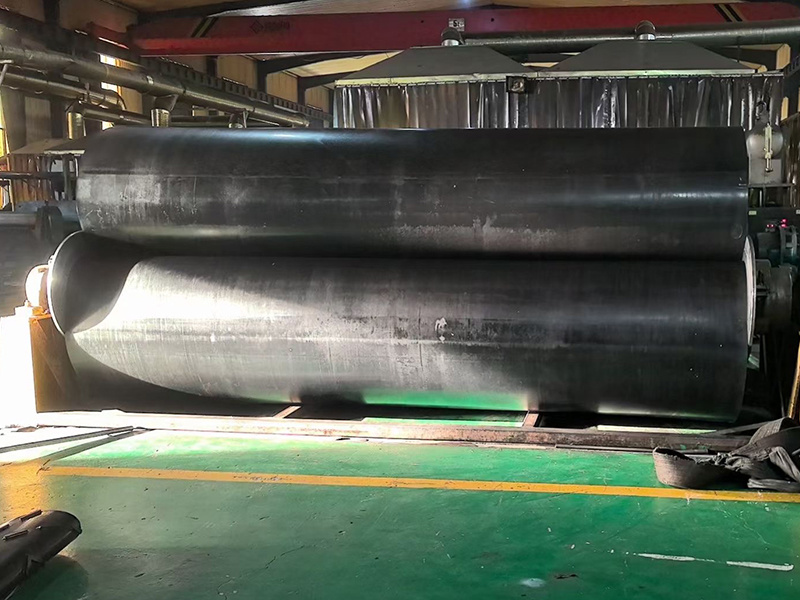
oil resistant conveyor belt






Product
About Us
We specialize in producing heavy-duty EP nylon conveyor belts, steel cord conveyor belts, corrugated rib conveyor belts, bucket elevator conveyor belts, herringbone conveyor belts, ring conveyor belts, etc. As a Chinese conveyor belt manufacturer, supplier and exporter, we focus on providing customers with high-quality conveyor belts and better services.
Baoding Fangnuo Rubber Products Manufacturing Co., Ltd.
Copyright Baoding Fangnuo Rubber Products Manufacturing Co., Ltd., All rights reserved