Baoding Fangnuo Rubber Products Manufacturing Co., Ltd.




Revolutionize Your Operations with Durable Nylon Conveyor Belts
Release time:
2026-06-04 10:10
Revolutionize Your Operations with Durable Nylon Conveyor Belts
Table of Contents
1. Understanding Nylon Conveyor Belts
2. The Advantages of Using Nylon Conveyor Belts
2.1. Durability and Longevity
2.2. Cost-Effectiveness
2.3. Versatility in Applications
3. Key Applications of Nylon Conveyor Belts in Industries
3.1. Manufacturing and Production
3.2. Food Processing
3.3. Packaging and Logistics
4. Choosing the Right Nylon Conveyor Belt
4.1. Belt Specifications to Consider
4.2. Sizing and Customization
5. Maintenance Tips for Nylon Conveyor Belts
5.1. Regular Inspection and Cleaning
5.2. Troubleshooting Common Issues
6. Environmental Considerations
7. Conclusion
8. FAQs about Nylon Conveyor Belts
1. Understanding Nylon Conveyor Belts
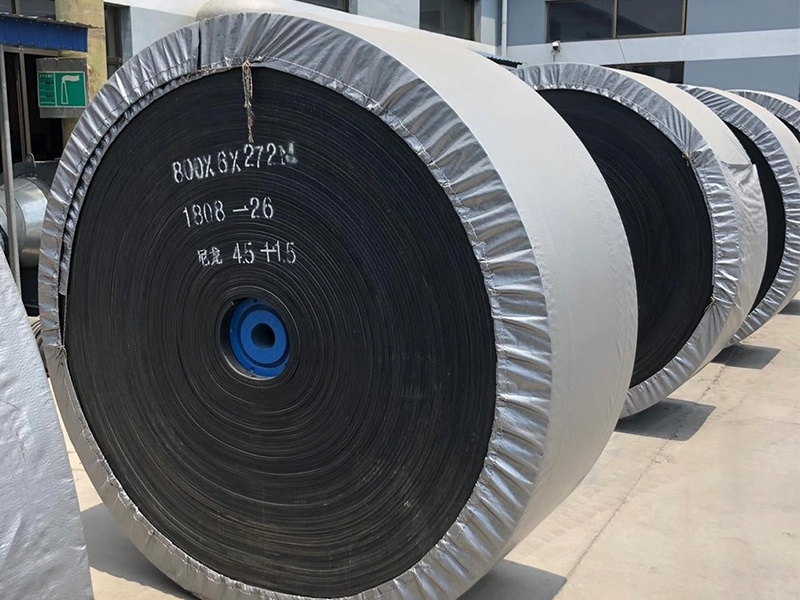
Nylon conveyor belts are a pivotal component in many industrial applications. These belts are made from high-strength nylon fibers, providing robust performance and flexibility. The unique properties of nylon allow it to withstand various operational challenges, making it a go-to material for conveyor systems across different sectors.
2. The Advantages of Using Nylon Conveyor Belts
Nylon conveyor belts offer a myriad of benefits that can significantly enhance operational efficiency.
2.1. Durability and Longevity
One of the primary reasons manufacturers prefer nylon conveyor belts is their **durability**. The nylon fibers are engineered to resist wear and tear, extending the lifespan of the belts. This durability translates into less frequent replacements, reducing downtime and maintenance costs.
2.2. Cost-Effectiveness
Although the initial investment in nylon conveyor belts may be higher than other materials, their longevity and reduced maintenance needs make them a **cost-effective** solution in the long run. Companies can save significantly on replacement costs and downtime, which can be crucial for maintaining productivity.
2.3. Versatility in Applications
Nylon conveyor belts are remarkably versatile and can be utilized in a variety of industries. Whether in **manufacturing**, **food processing**, or **logistics**, these belts can be tailored to meet specific operational needs, making them suitable for diverse applications.
3. Key Applications of Nylon Conveyor Belts in Industries
Nylon conveyor belts are employed in numerous sectors, contributing to streamlined processes.
3.1. Manufacturing and Production
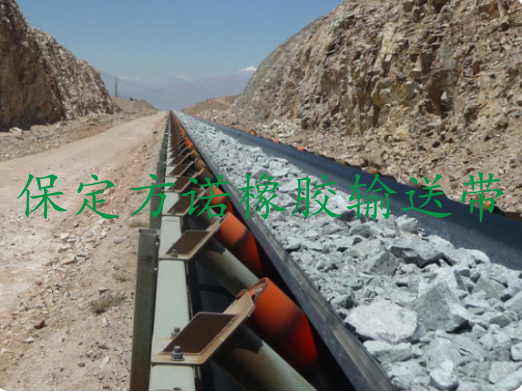
In manufacturing, these belts transport materials and products efficiently along assembly lines. Their strength allows for handling heavy loads without risk of damage, ensuring a smooth operation from start to finish.
3.2. Food Processing
In the food industry, nylon conveyor belts are favored for their non-toxic and easy-to-clean properties. They can withstand high temperatures and are resistant to various chemicals, making them ideal for transporting food products safely.
3.3. Packaging and Logistics
Nylon conveyor belts play a crucial role in packaging and logistics, where speed and reliability are paramount. They facilitate the quick movement of goods, ensuring that products are packaged and shipped efficiently.
4. Choosing the Right Nylon Conveyor Belt
Selecting the appropriate nylon conveyor belt involves careful consideration of various factors.
4.1. Belt Specifications to Consider
When choosing a nylon conveyor belt, it's essential to consider specifications such as **width**, **length**, and **thickness**. These factors will impact the belt's performance and suitability for specific applications.
4.2. Sizing and Customization
Customization options are often available, allowing businesses to tailor belts to their unique operational requirements. This customization can enhance efficiency and ensure optimal performance in conveyor systems.
5. Maintenance Tips for Nylon Conveyor Belts
To ensure the longevity and efficiency of nylon conveyor belts, proper maintenance is vital.
5.1. Regular Inspection and Cleaning
Routine inspections can help identify wear and potential issues before they escalate. Cleaning is equally crucial; debris and contaminants can lead to premature wear, so keeping belts clean will extend their lifespan.
5.2. Troubleshooting Common Issues
Understanding common problems, such as slippage or misalignment, allows for quick troubleshooting. Addressing these issues promptly can prevent costly downtimes and enhance the overall efficiency of operations.
6. Environmental Considerations
As industries increasingly focus on sustainability, the environmental impact of materials used in manufacturing conveyor belts is crucial. Nylon conveyor belts, due to their durability and longevity, contribute to **reduced waste** and **lower environmental impact** over time. Additionally, many manufacturers are exploring eco-friendly options for producing these belts, emphasizing a commitment to sustainability.
7. Conclusion
In summary, durable nylon conveyor belts are essential for revolutionizing industrial operations. Their remarkable durability, cost-effectiveness, and versatility make them an ideal choice for various applications. By investing in high-quality nylon conveyor belts and adhering to proper maintenance practices, businesses can enhance productivity, reduce operational costs, and position themselves for sustained growth in a competitive market.
8. FAQs about Nylon Conveyor Belts
What are nylon conveyor belts made of?
Nylon conveyor belts are primarily made from high-strength nylon fibers, which provide durability and flexibility.
How do I choose the right size for a nylon conveyor belt?
Selecting the right size involves measuring the width, length, and thickness required for your specific application. Customization options are also available for optimal fit.
Can nylon conveyor belts be used in food processing?
Yes, nylon conveyor belts are commonly used in food processing due to their non-toxic nature and resistance to cleaning chemicals.
What maintenance is required for nylon conveyor belts?
Regular inspection, cleaning, and addressing common issues such as misalignment or slippage are essential for maintaining the performance of nylon conveyor belts.
Are there eco-friendly options for nylon conveyor belts?
Yes, many manufacturers are now producing nylon conveyor belts with an emphasis on sustainability, utilizing eco-friendly materials and processes to reduce environmental impact.
nylon conveyor belt
Previous:
Previous:




Product
About Us
We specialize in producing heavy-duty EP nylon conveyor belts, steel cord conveyor belts, corrugated rib conveyor belts, bucket elevator conveyor belts, herringbone conveyor belts, ring conveyor belts, etc. As a Chinese conveyor belt manufacturer, supplier and exporter, we focus on providing customers with high-quality conveyor belts and better services.
Baoding Fangnuo Rubber Products Manufacturing Co., Ltd.
Copyright Baoding Fangnuo Rubber Products Manufacturing Co., Ltd., All rights reserved